Lifespan & Health Overview
See how long a breed typically lives vs the all-breed average, its known health issues, and what to ask your vet.
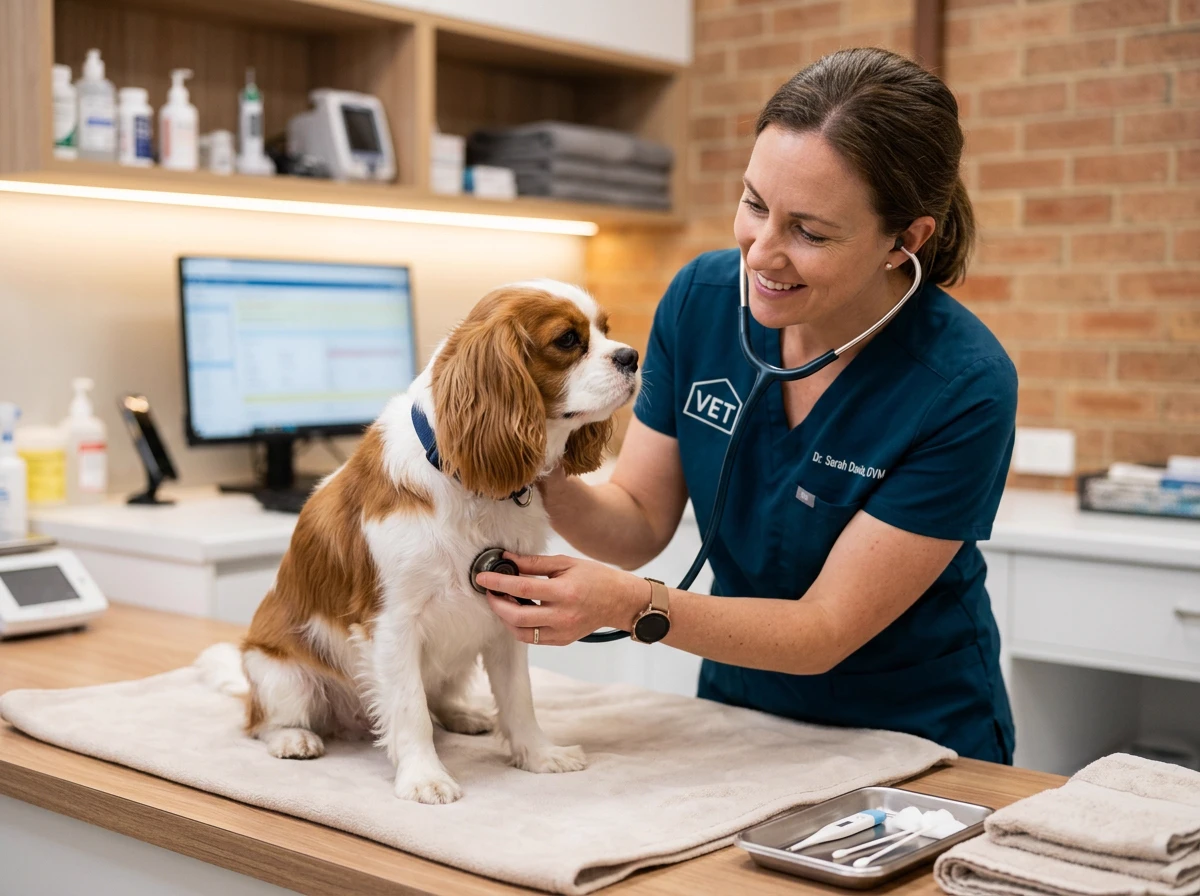
Responsible breeders perform genetic and OFA screenings prior to breeding to reduce these hereditary risks.

How it works
Pick a breed to see its typical lifespan range from our dataset, charted against the all-breed average of about 12.5 years. Below the chart, the tool lists the conditions that breed is known to be prone to, plus a short checklist of what to ask your vet about. Small breeds tend to outlive large ones — many of the longest-lived are dogs that stay small.
This is general guidance for planning and early screening — not a diagnosis, and not a prediction about any individual dog.
Frequently asked questions
Where do the lifespan numbers come from?
Our 42-breed dataset's lifespan ranges. The ~12.5-year bar is the all-breed average shown for comparison, so you can see at a glance whether a breed tends to live longer or shorter than typical.
Does my dog definitely get these health issues?
No. These are conditions the breed is known to be prone to — risk factors, not certainties. Screening, weight management, and regular vet visits are how you stay ahead of them.
What should I ask my vet about?
Screening tests for the listed conditions, a weight-management plan (healthy weight adds years), and a dental care schedule.
Do any dogs live to 20 years?
Rarely, but it happens — almost always small breeds. In our dataset the longest-lived ranges top out at 16–18 years (Shih Tzu, Poodle, Chihuahua up to 17). Verified cases into the late 20s exist but are extreme outliers. For planning purposes, treat 15+ as an excellent run for a small dog.
What is the average age of a dog’s death?
Around 12–13 years across all breeds and sizes — this tool charts each breed against an all-breed average of about 12.5. Small breeds skew higher (often 14–16), giant breeds lower (sometimes under 10). Pick a breed above to see where it sits against that average.
Breed Selector Quiz
Monthly Cost Calculator
Food Portion Calculator
Exercise Match Checker
Dog Years Calculator
Estimates only — actual costs and needs vary by dog, location, and vet. Not professional advice.