Police Dog Breeds (2026)
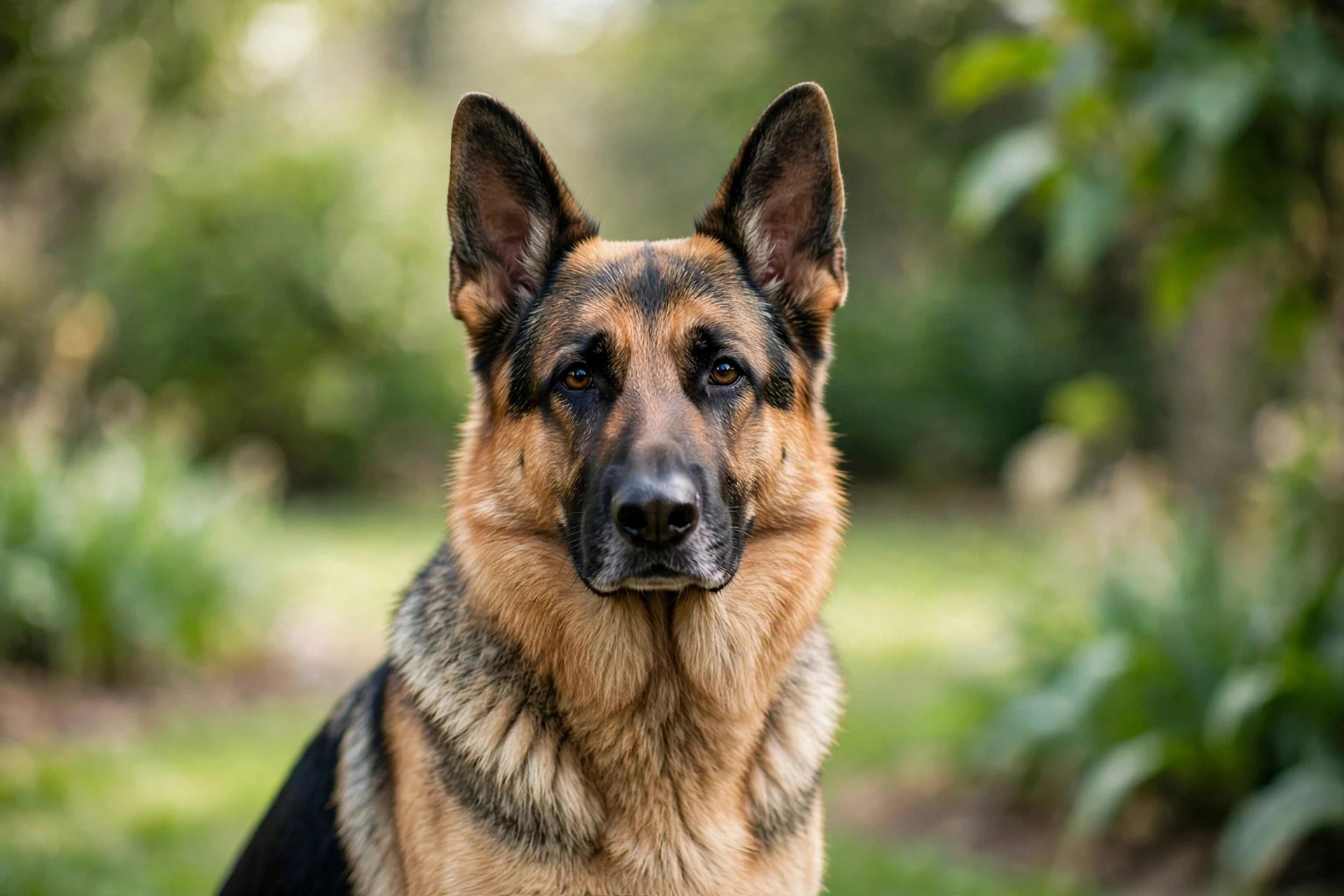
German Shepherd Dog
Excellent trainability (5/5); high exercise need (5/5). Typical weight 23–40 kg; lifespan 12–13 years.
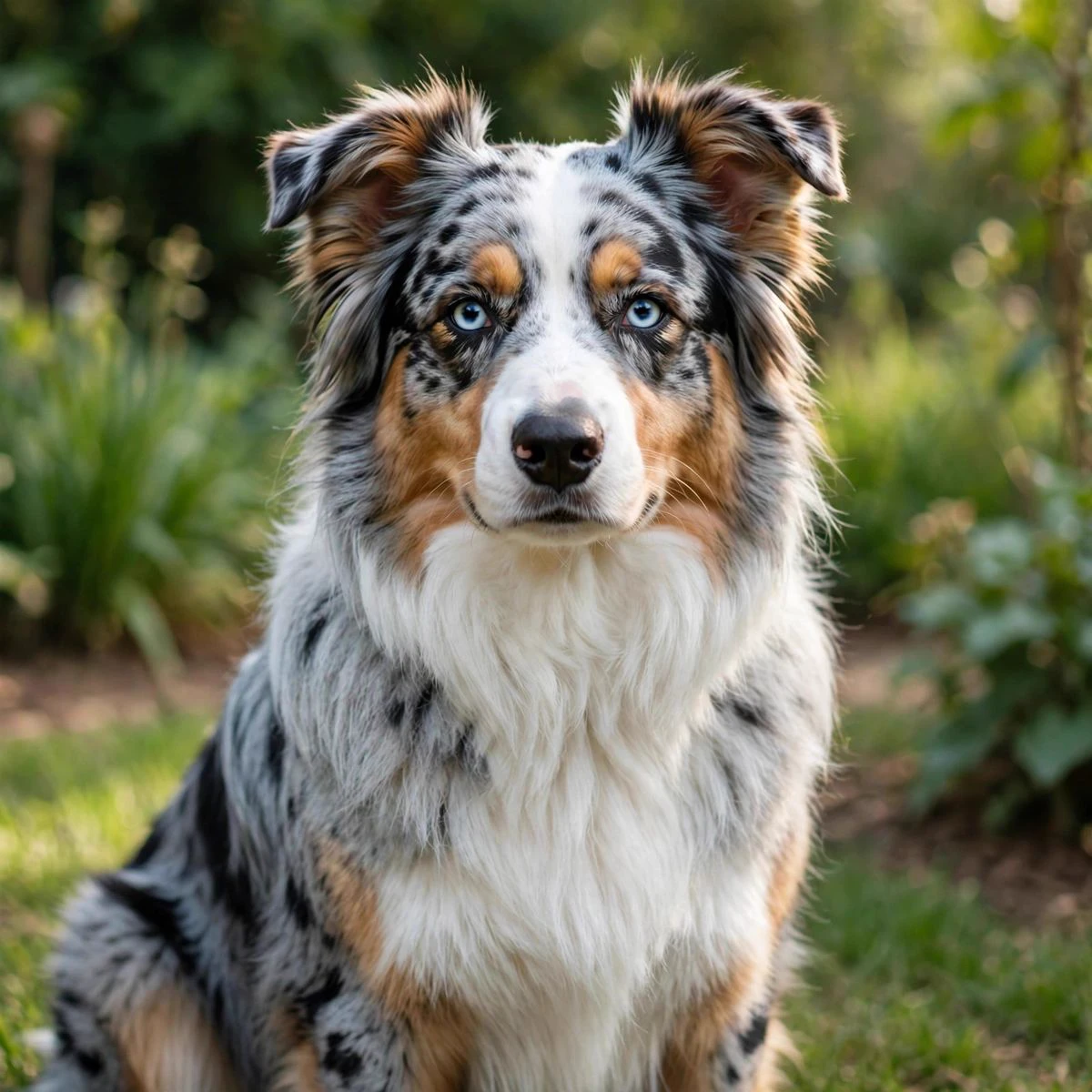
Australian Shepherd
Excellent trainability (5/5); high exercise need (5/5). Typical weight 18–29 kg; lifespan 12–15 years.
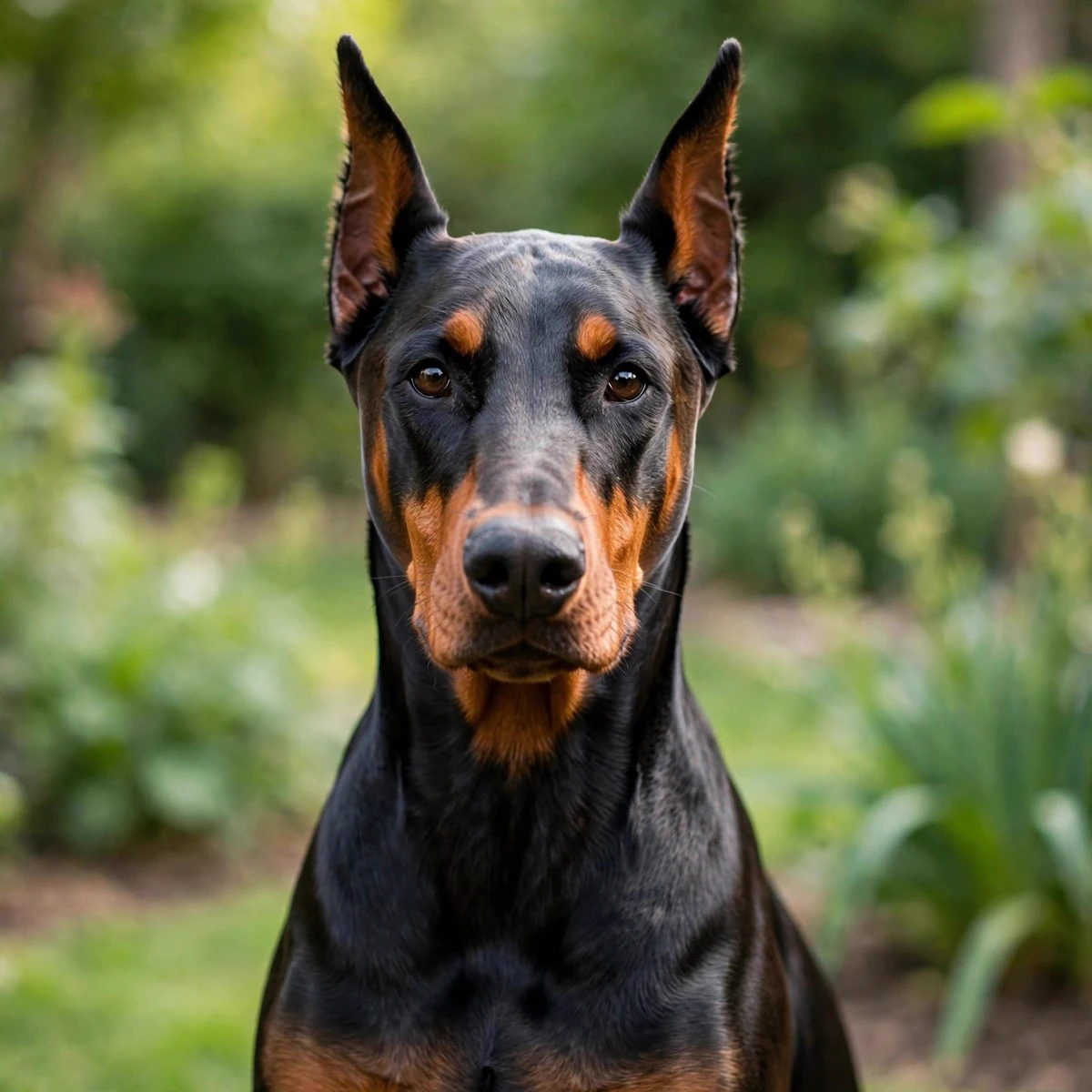
Doberman Pinscher
Excellent trainability (5/5); high exercise need (5/5). Typical weight 27–45 kg; lifespan 10–12 years.
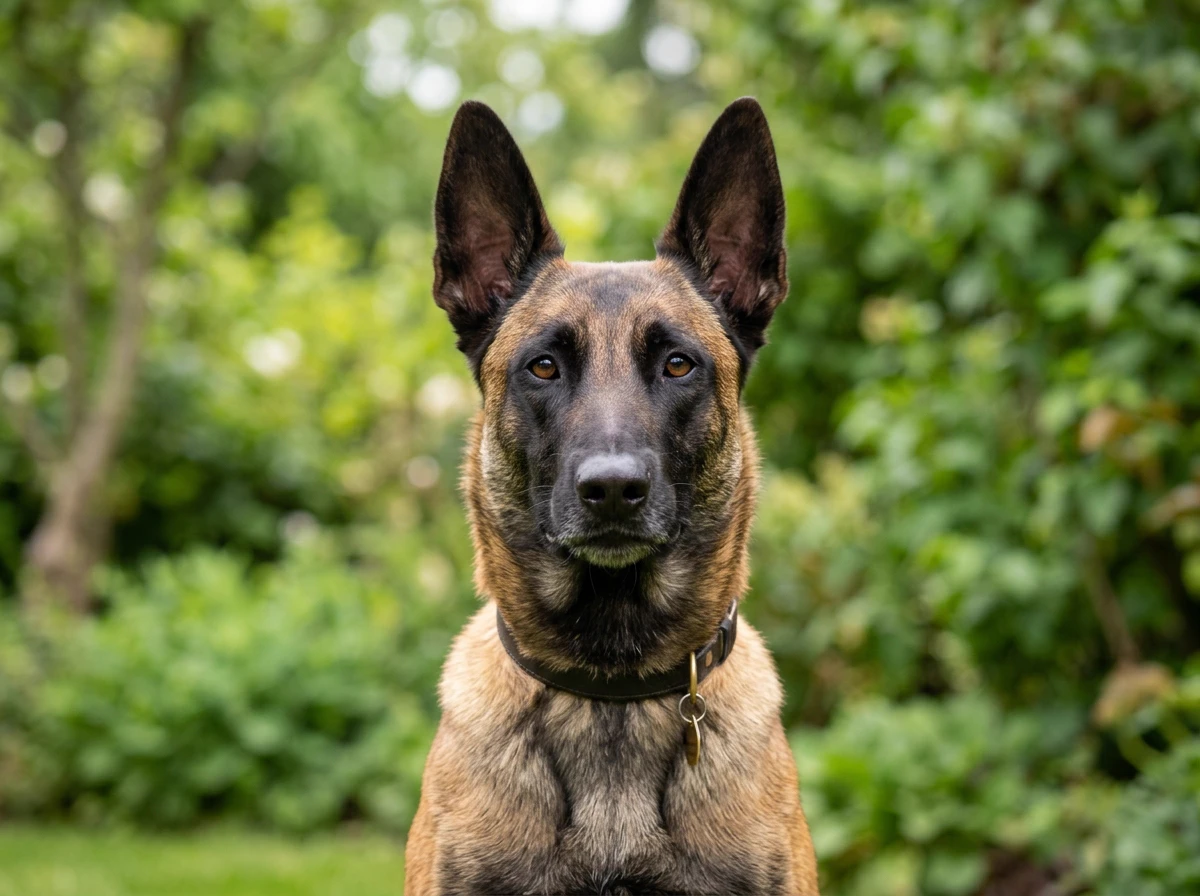
Belgian Malinois
Excellent trainability (5/5); high exercise need (5/5). Typical weight 25–30 kg; lifespan 12–14 years.
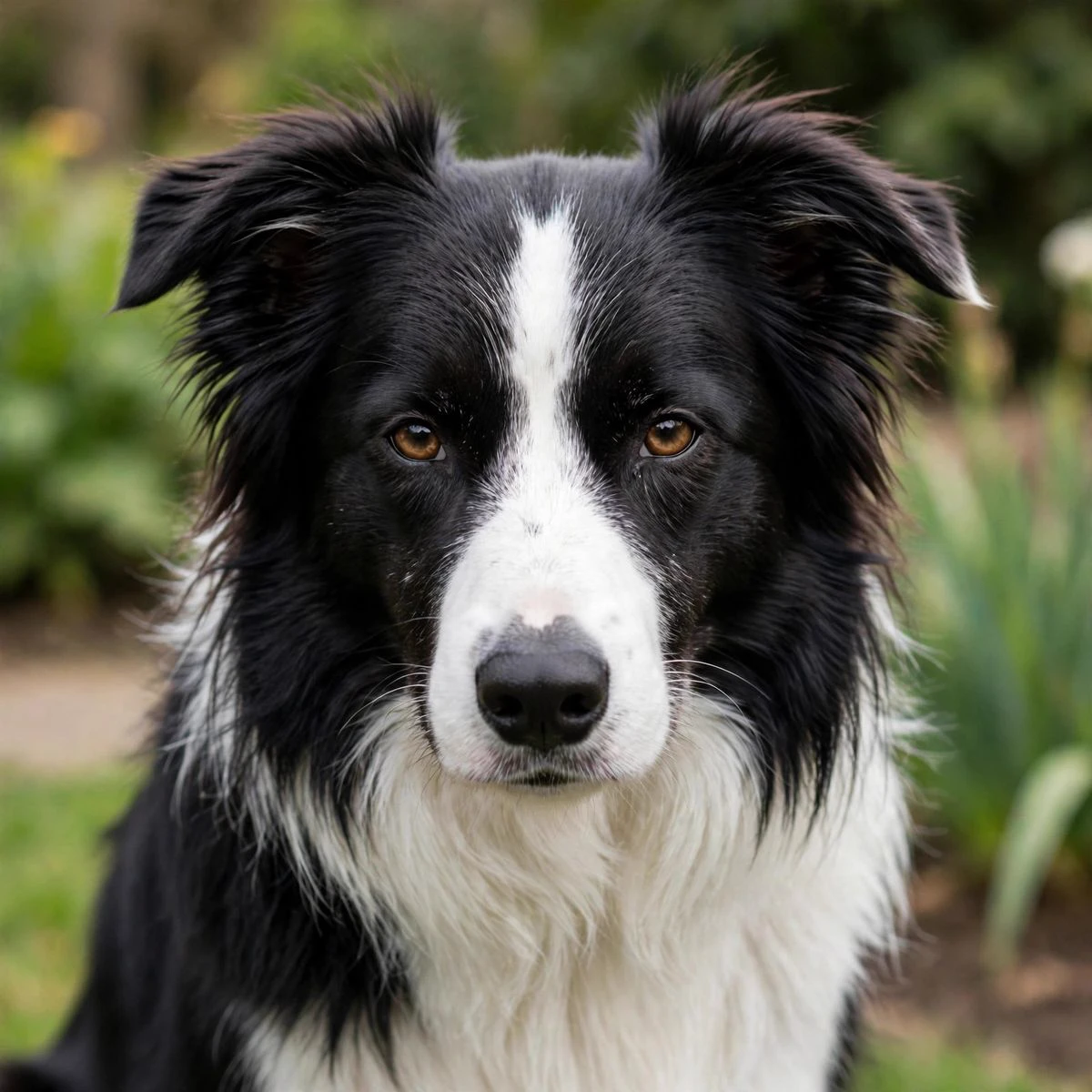
Border Collie
Excellent trainability (5/5); high exercise need (5/5). Typical weight 14–20 kg; lifespan 12–15 years.
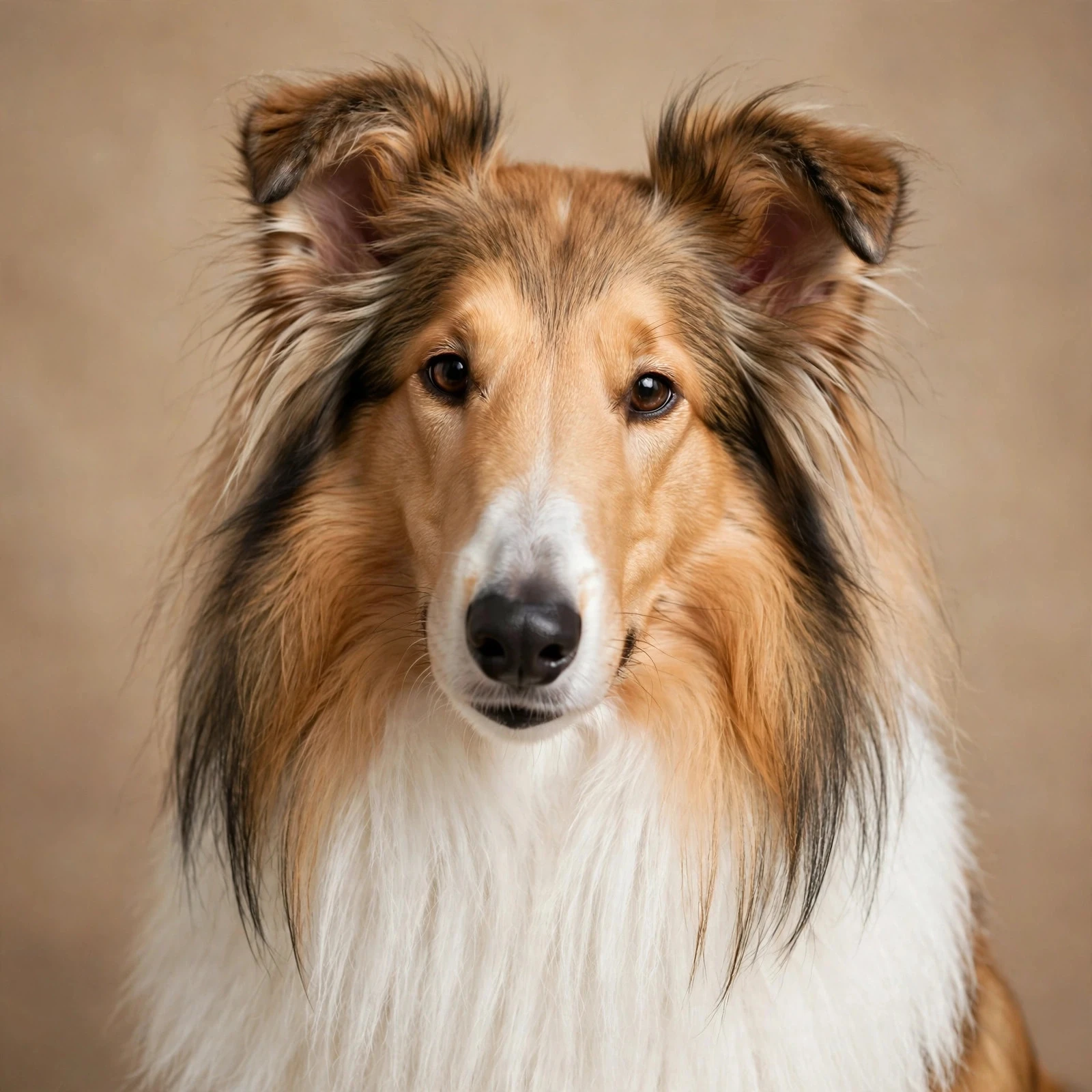
Collie
Excellent trainability (5/5); high exercise need (4/5). Typical weight 23–34 kg; lifespan 12–14 years.
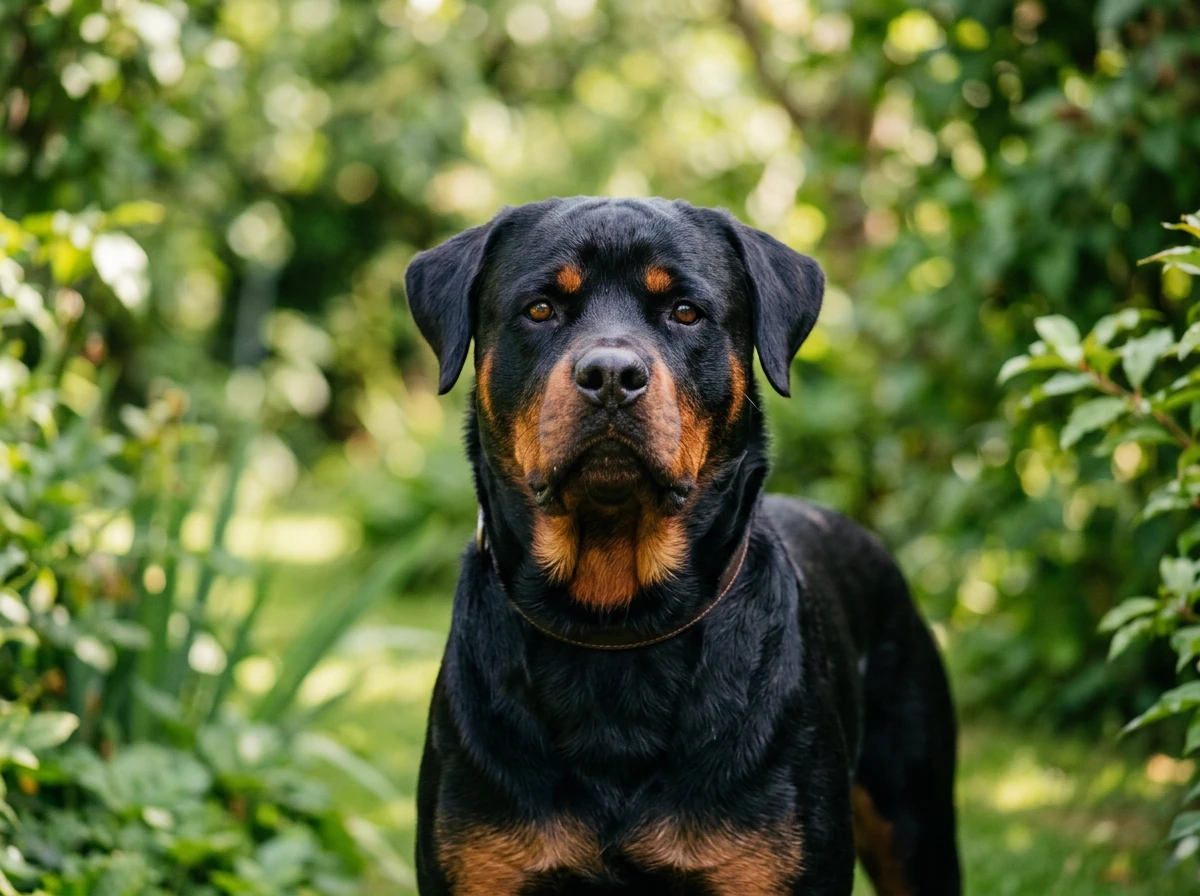
Rottweiler
Excellent trainability (4/5); high exercise need (4/5). Typical weight 36–61 kg; lifespan 9–10 years.
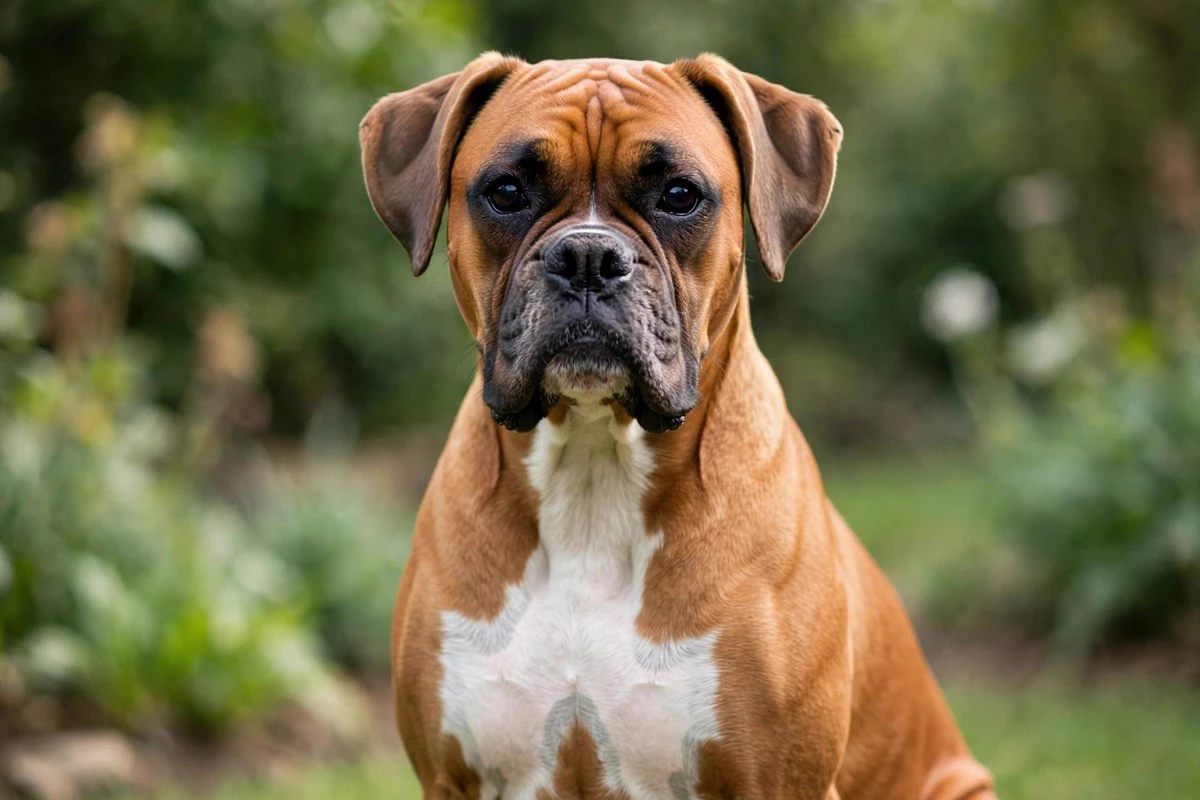
Boxer
Excellent trainability (4/5); high exercise need (4/5). Typical weight 25–32 kg; lifespan 10–12 years.
Frequently asked questions
Are these rankings objective?
They're computed from our 1–5 trait scores across 42 breeds — the same dataset behind every page here. No sponsored placements; the methodology is shown above.
Should I still meet the dog first?
Yes. Data narrows the field, but individual temperament varies. Meet the dog, talk to the breeder or shelter, and consider your routine honestly.
What is the #1 police dog?
In real-world K9 units, the Belgian Malinois is now the most common pick in many forces, with the German Shepherd Dog close behind — both score 5/5 for trainability in our dataset, and the German Shepherd tops our paper ranking. The honest #1 depends on the job: Malinois for patrol work, Labradors and Beagles for detection.
What dog do the Navy SEALs use?
The Belgian Malinois — widely reported as the breed of choice for US Navy SEAL teams, prized for its drive, compact size, and trainability (5/5 in our dataset). These are elite working dogs, not pets: a Malinois without a job is a liability in a family home.
Which breeds make the best sniffer dogs?
Detection work usually goes to friendly, food-obsessed noses — the Labrador Retriever and Beagle are the classic choices — rather than the patrol breeds on this page. Sniffer dogs need scent drive and focus, not intimidation; that is a different job from apprehension work.
Take the breed selector quiz — answer 8 questions, get your top 3.
All breed profiles
Browse all 42 breed profiles