Saint Bernard vs Bernese Mountain Dog
Why this comparison exists: Saint Bernard and Bernese Mountain Dog are both working breeds — two breeds buyers genuinely cross-shop.
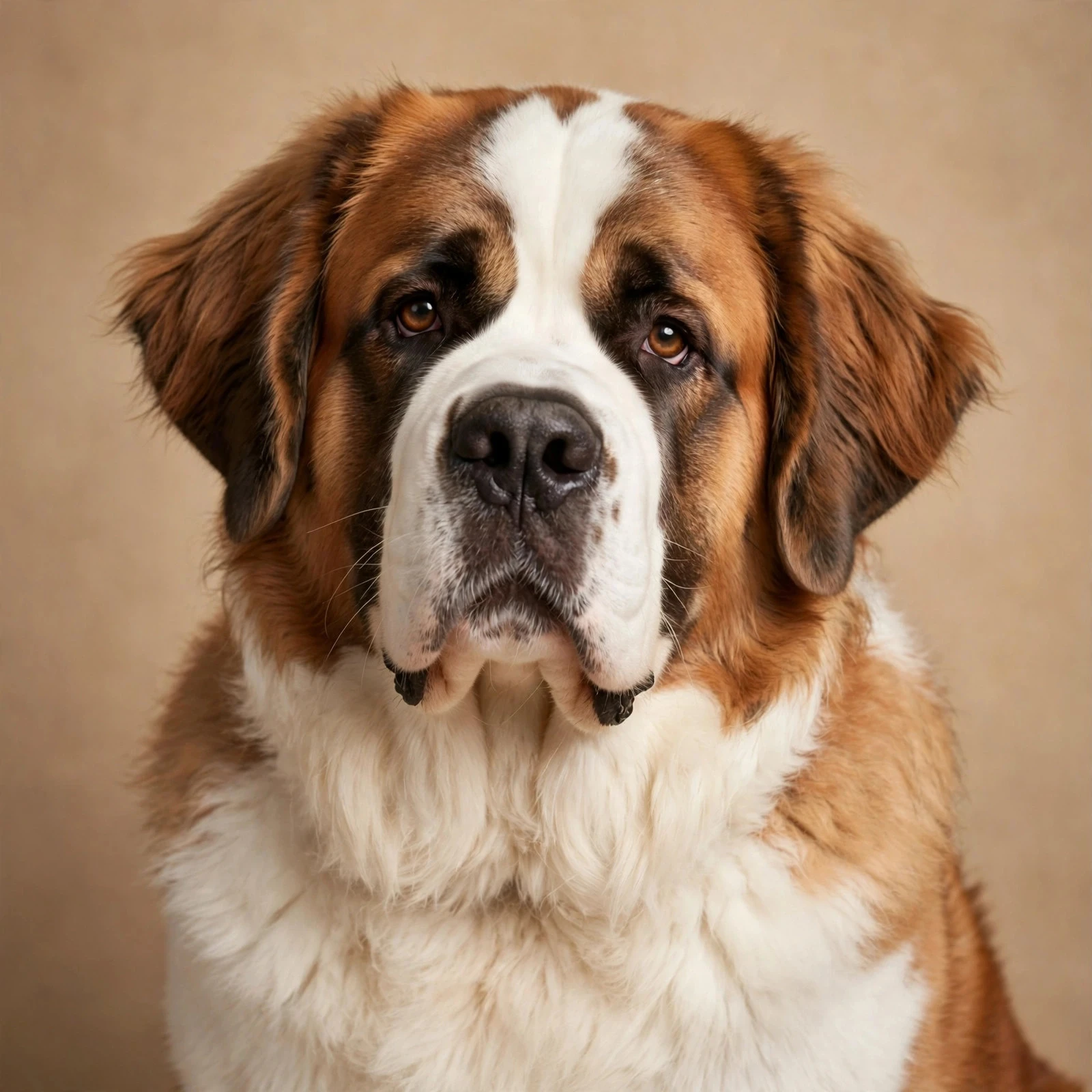
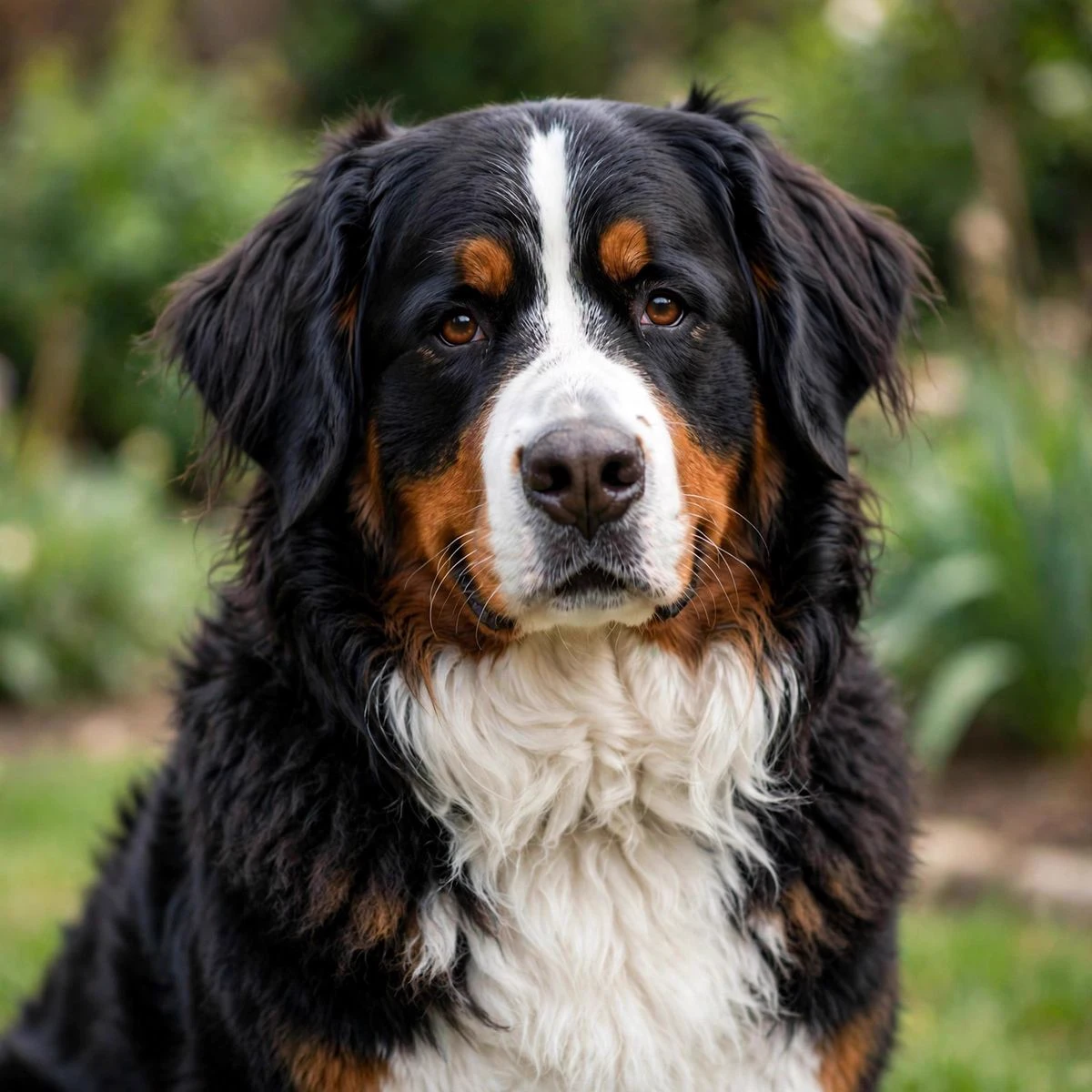
Head-to-head
| Saint Bernard | Bernese Mountain Dog | |
|---|---|---|
| Group | Working | Working |
| Origin | Switzerland | Switzerland |
| Weight | 54–82 kg | 32–52 kg |
| Height | 66–76 cm | 58–70 cm |
| Lifespan | 8–10 yrs | 7–10 yrs |
| Coat | short smooth or long rough | long thick triple |
| Trait ratings (our 1–5 editorial scoring) | ||
| Shedding | 4/5 ▲ | 5/5 |
| Grooming need | 3/5 ▲ | 4/5 |
| Exercise need | 2/5 ▲ | 3/5 |
| Trainability | 3/5 | 4/5 ▲ |
| Kid friendly | 5/5 | 5/5 |
| Apartment suitable | 1/5 | 1/5 |
| Barking tendency | 3/5 | 3/5 |
| Monthly cost (est.) | $140–260 | $130–250 |
- Size: Saint Bernard is substantially larger than Bernese Mountain Dog (150 vs 93 lbs average) — affects space, food cost and handling.
What buyers also compare
Size settles the “fight” angle. We don't stage or rank dog fights — the honest facts are 54–82 kg vs 32–52 kg: the Saint Bernard is a full size class above the Bernese Mountain Dog. Temperament-wise both are famously gentle giants (kid-friendliness 5/5 each), so “who would win” was never the useful question; “which giant fits my home, car, and vet budget” is.
The Newfoundland and Great Pyrenees angles. Cross-shoppers often widen this shortlist to the Newfoundland or Great Pyrenees — both gentle giants closer to the Saint Bernard's weight class. Within this pair, the Bernese is the lighter, slightly more trainable option (trainability 4/5 vs 3/5) with the shorter expected lifespan (7–10 vs 8–10 years); the Saint trades athleticism for calm (exercise 2/5).
- you simply prefer its look and temperament overall
- you prefer a smaller, easier-to-handle dog
Frequently asked questions
Which is better for families, Saint Bernard or Bernese Mountain Dog?
For kid-friendliness: Saint Bernard scores 5/5, Bernese Mountain Dog scores 5/5. They're evenly matched — supervise any dog with small children.
Which sheds more, Saint Bernard or Bernese Mountain Dog?
Saint Bernard scores 4/5 for shedding vs Bernese Mountain Dog at 5/5. Bernese Mountain Dog sheds noticeably more.
Which is easier to train, Saint Bernard or Bernese Mountain Dog?
Saint Bernard: 3/5, Bernese Mountain Dog: 4/5. Bernese Mountain Dog is the easier student.
Which costs more to keep, Saint Bernard or Bernese Mountain Dog?
Estimated $140–$260/mo for the Saint Bernard vs $130–$250/mo for the Bernese Mountain Dog. Larger, heavier-groomed breeds cost more.
Are St. Bernards or Bernese Mountain Dogs better?
It depends on what you can house. The Saint Bernard (54–82 kg) is a full size class above the Bernese (32–52 kg) — a bigger dog, bigger bills, bigger everything, but calmer indoors (exercise 2/5 vs 3/5). The Bernese is the slightly more trainable one (4/5 vs 3/5). Both score 5/5 for kid-friendliness and both are short-lived (8–10 vs 7–10 years). If you have the space, the Saint; if you want the marginally easier keeper, the Bernese.
What mountain dog breed is the calmest?
Of this pair, the Saint Bernard — exercise 2/5 against the Bernese Mountain Dog's 3/5 — is the calmer indoor dog. Both are gentle giants rather than hyper ones, but “calm” for a giant breed still means 50+ kg of dog leaning on your furniture. Neither suits an apartment (both score 1/5).
Is a St. Bernard bigger than a Bernese Mountain Dog?
Yes, substantially: 54–82 kg vs 32–52 kg — the Saint Bernard averages roughly 150–180 lbs to the Bernese's 70–115 lbs. That size gap drives the practical differences: more food, more space, higher vet costs, and a dog that is simply harder to handle.
Is a Saint Bernard related to a Bernese Mountain Dog?
They share Swiss working-dog roots — both descend from the farm and mountain dogs of Switzerland — but they are separate breeds with different jobs: the Saint from Alpine rescue and hospice dogs, the Bernese from farm draft and herding work. Cousins by geography, not by pedigree.
Saint Bernard full profile
Bernese Mountain Dog full profile
More comparisons
More comparisons coming soon.
Not sure yet?
Take the breed selector quiz
Trait ratings are our editorial scoring, not veterinary advice. Costs are rough estimates and vary by location. Health notes are general guidance — consult your veterinarian.