Siberian Husky vs German Shepherd Dog
Why this comparison exists: Siberian Husky (working) vs German Shepherd Dog (herding) in a similar size class — a genuine either/or choice buyers actually make.
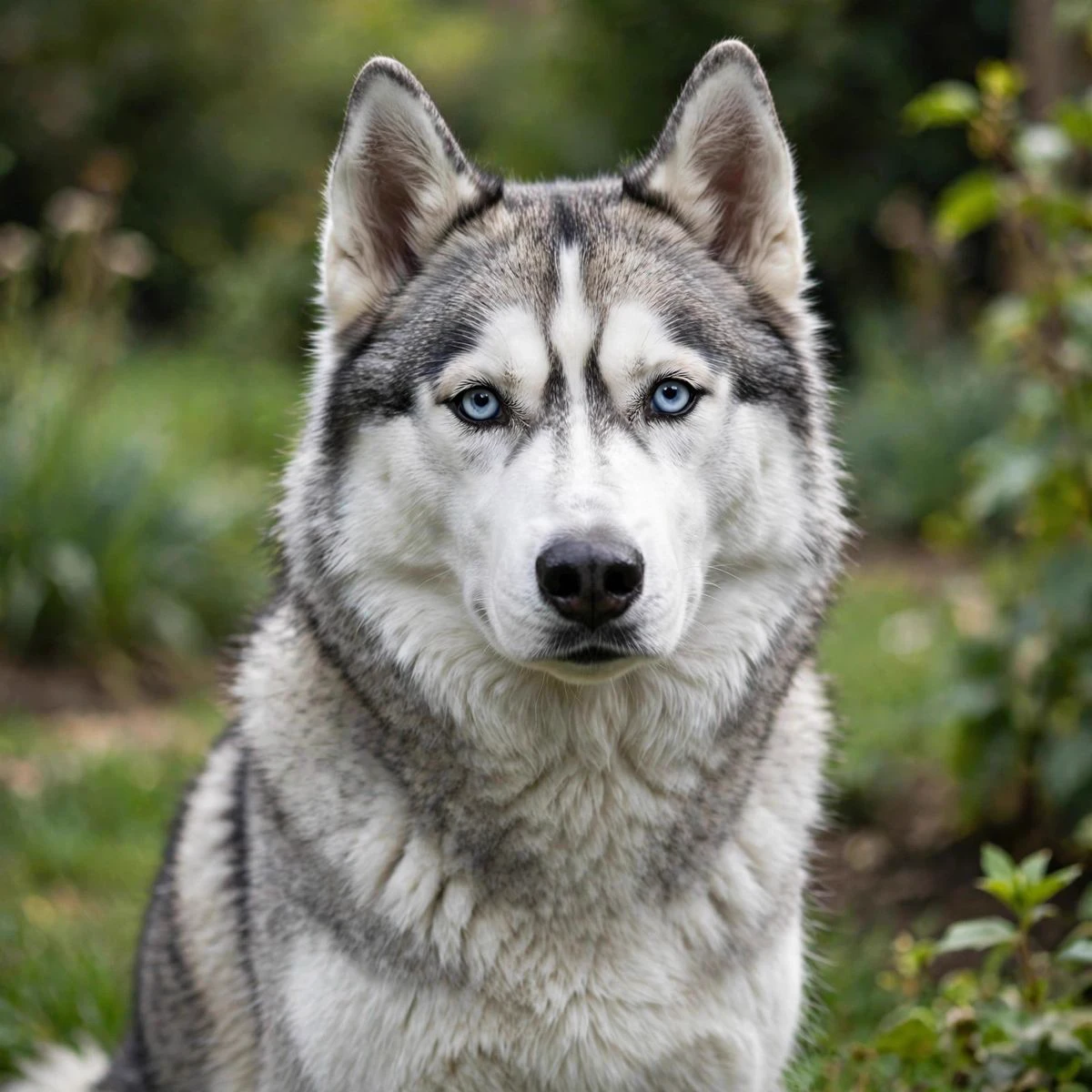
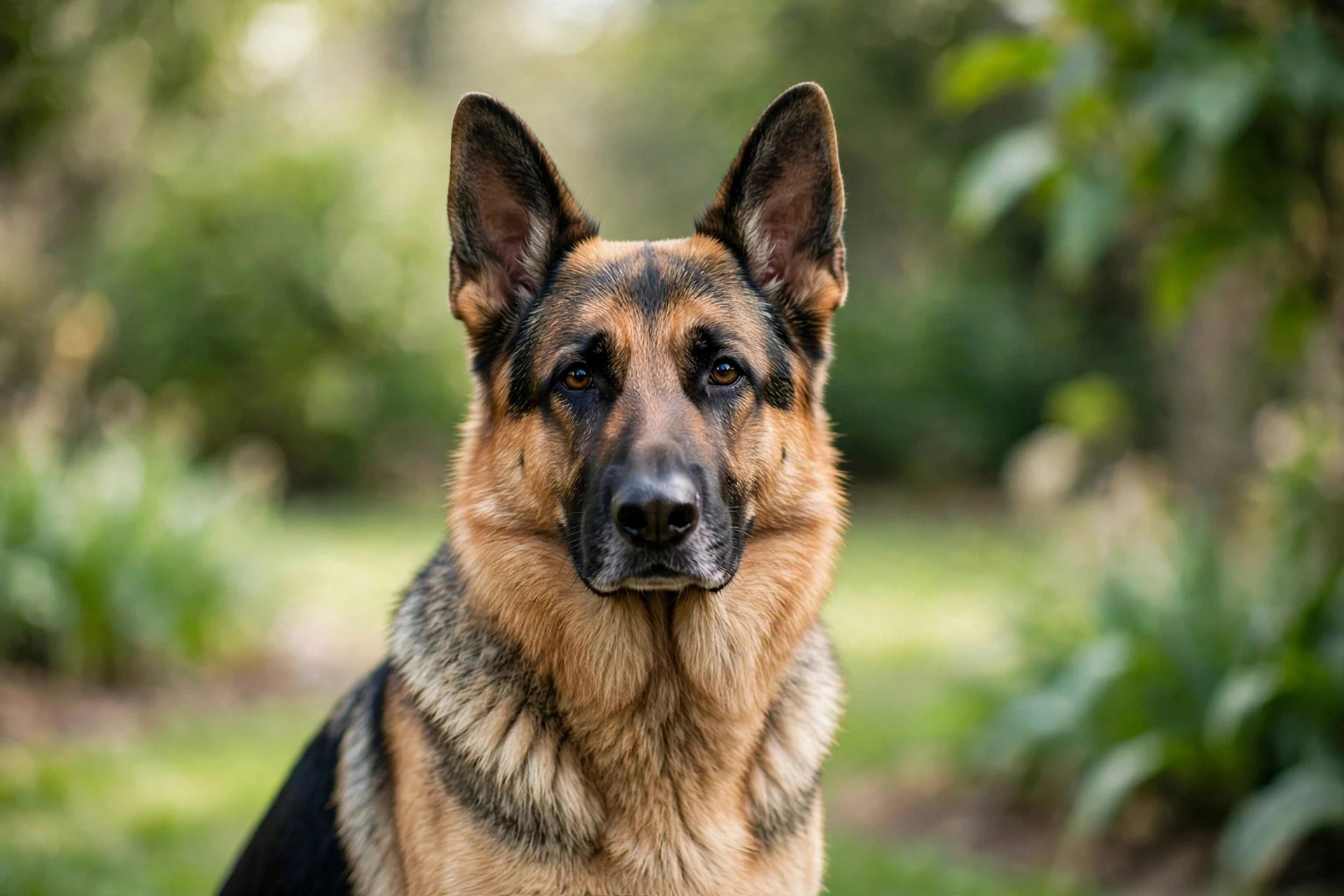
Head-to-head
| Siberian Husky | German Shepherd Dog | |
|---|---|---|
| Group | Working | Herding |
| Origin | Siberia | Germany |
| Weight | 16–27 kg | 23–40 kg |
| Height | 50–60 cm | 55–65 cm |
| Lifespan | 12–14 yrs | 12–13 yrs |
| Coat | thick double | medium double |
| Trait ratings (our 1–5 editorial scoring) | ||
| Shedding | 5/5 | 5/5 |
| Grooming need | 3/5 | 3/5 |
| Exercise need | 5/5 | 5/5 |
| Trainability | 3/5 | 5/5 ▲ |
| Kid friendly | 4/5 | 4/5 |
| Apartment suitable | 1/5 | 2/5 ▲ |
| Barking tendency | 4/5 | 4/5 |
| Monthly cost (est.) | $100–190 | $110–220 |
- Trainability: Siberian Husky 3/5 vs German Shepherd Dog 5/5 — a meaningful gap.
- Size: German Shepherd Dog is substantially larger than Siberian Husky (69 vs 47 lbs average) — affects space, food cost and handling.
- you prefer a smaller, easier-to-handle dog
- you want more trainability (5/5 vs 3/5)
Frequently asked questions
Which is better for families, Siberian Husky or German Shepherd Dog?
For kid-friendliness: Siberian Husky scores 4/5, German Shepherd Dog scores 4/5. They're evenly matched — supervise any dog with small children.
Which sheds more, Siberian Husky or German Shepherd Dog?
Siberian Husky scores 5/5 for shedding vs German Shepherd Dog at 5/5. About the same.
Which is easier to train, Siberian Husky or German Shepherd Dog?
Siberian Husky: 3/5, German Shepherd Dog: 5/5. German Shepherd Dog is the easier student.
Which costs more to keep, Siberian Husky or German Shepherd Dog?
Estimated $100–$190/mo for the Siberian Husky vs $110–$220/mo for the German Shepherd Dog. Larger, heavier-groomed breeds cost more.
Siberian Husky full profile
German Shepherd Dog full profile
More comparisons
German Shepherd Dog vs Belgian Malinois
Siberian Husky vs Alaskan Malamute
Rottweiler vs German Shepherd Dog
Not sure yet?
Take the breed selector quiz
Trait ratings are our editorial scoring, not veterinary advice. Costs are rough estimates and vary by location. Health notes are general guidance — consult your veterinarian.