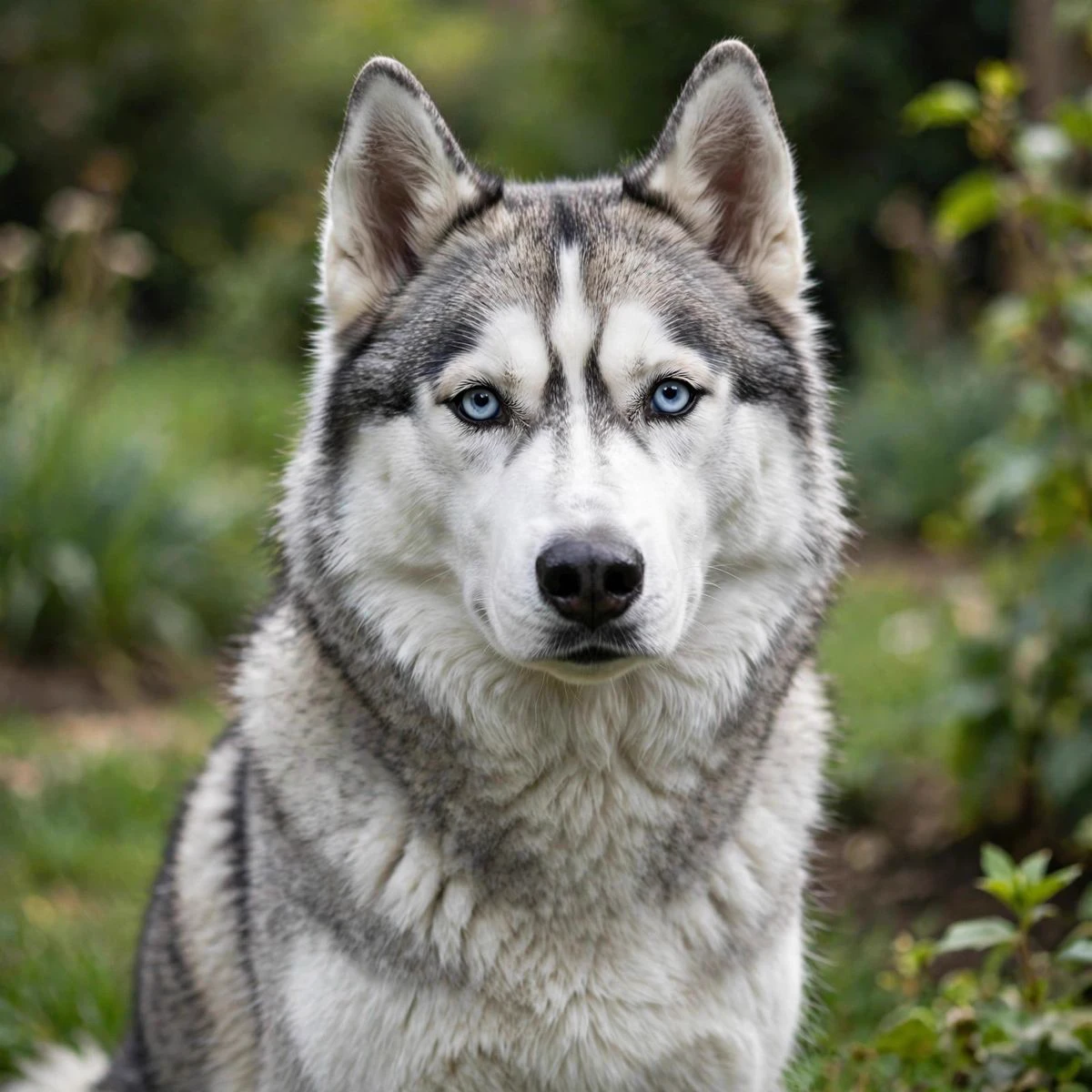
Siberian Husky — Complete Breed Guide
Working · from Siberia · AKC rank #30 (2025)
Key facts
| Breed group | Working |
| Origin | Siberia |
| Weight | 16–27 kg (35–60 lbs) |
| Height | 50–60 cm |
| Lifespan | 12–14 years |
| Coat | thick double |
| AKC popularity rank (2025) | #30 of 202 recognized breeds |
Trait ratings
Our editorial 1–5 scoring, based on breed-standard temperament data.
Monthly cost
Expect roughly $100–$190 per month (estimate: food, routine vet care, grooming, insurance). Smaller, low-maintenance breeds sit at the lower end. Price out the years, not just the day, with our monthly dog cost calculator.
Siberian Husky coat colors and varieties
Officially the Siberian Husky wears a thick double coat, but ask around and you'll hear plenty of variety names — miniature, red, agouti coat are the ones buyers ask about most. These are variations within one breed, not separate breeds, and they don't change the trait scores on this page.
A reputable breeder talks health testing before coat color. Treat color-first marketing as a red flag.
Common Siberian Husky mixes
Designer mixes get a lot of searches, so here's an honest map: a mix inherits unpredictably from both parents — no guarantees on size, coat, or temperament. If a mix catches your eye, read both parent profiles where they exist and judge the dog in front of you.
- Siberian Husky × Chihuahua — read the Chihuahua profile too; a mix can inherit either parent's traits.
Health issues to know
- cataracts and eye disorders
- hip dysplasia
- zinc deficiency
- hypothyroidism
- Families with children
- Active owners (running, hiking, sports)
- You can't commit to 1+ hour of daily exercise
- You live in a small apartment with no yard access
- You need a quiet dog (thin walls, close neighbors)
- Anyone in the home has dog allergies
Frequently asked questions
How long does a Siberian Husky live?
Typically 12–14 years. Larger individuals and lines with known health issues tend toward the lower end.
How much does a Siberian Husky cost per month?
Roughly $100–$190 per month for food, routine vet care, grooming and insurance — an estimate that varies by location.
Is the Siberian Husky good for apartments?
It scores 1/5 for apartment suitability. Not ideal — it needs space and struggles in small homes.
Is the Siberian Husky good with kids?
It scores 4/5 for kid-friendliness. Excellent family choice, with normal supervision.
Does the Siberian Husky shed a lot?
Shedding scores 5/5. Yes — heavy, year-round shedding.
Is a Siberian Husky a good house dog?
Rarely. Exercise 5/5, apartment 1/5, shedding 5/5, and a legendary escape artist that treats fences as suggestions. Huskies are glorious outdoor athletes and chaotic indoor roommates. Only consider one with a secure yard, hours of daily activity, and tolerance for fur tumbleweeds.
What should you never do with a Siberian Husky?
Never let one off-leash outside a fenced area — recall is famously unreliable and the prey drive is real. Never shave the double coat (it insulates against heat too), and never leave one bored: an under-exercised Husky excavates yards and eats sofas. Also never assume the fence you have is the fence you need.
Is there a difference between a Husky and a Siberian Husky?
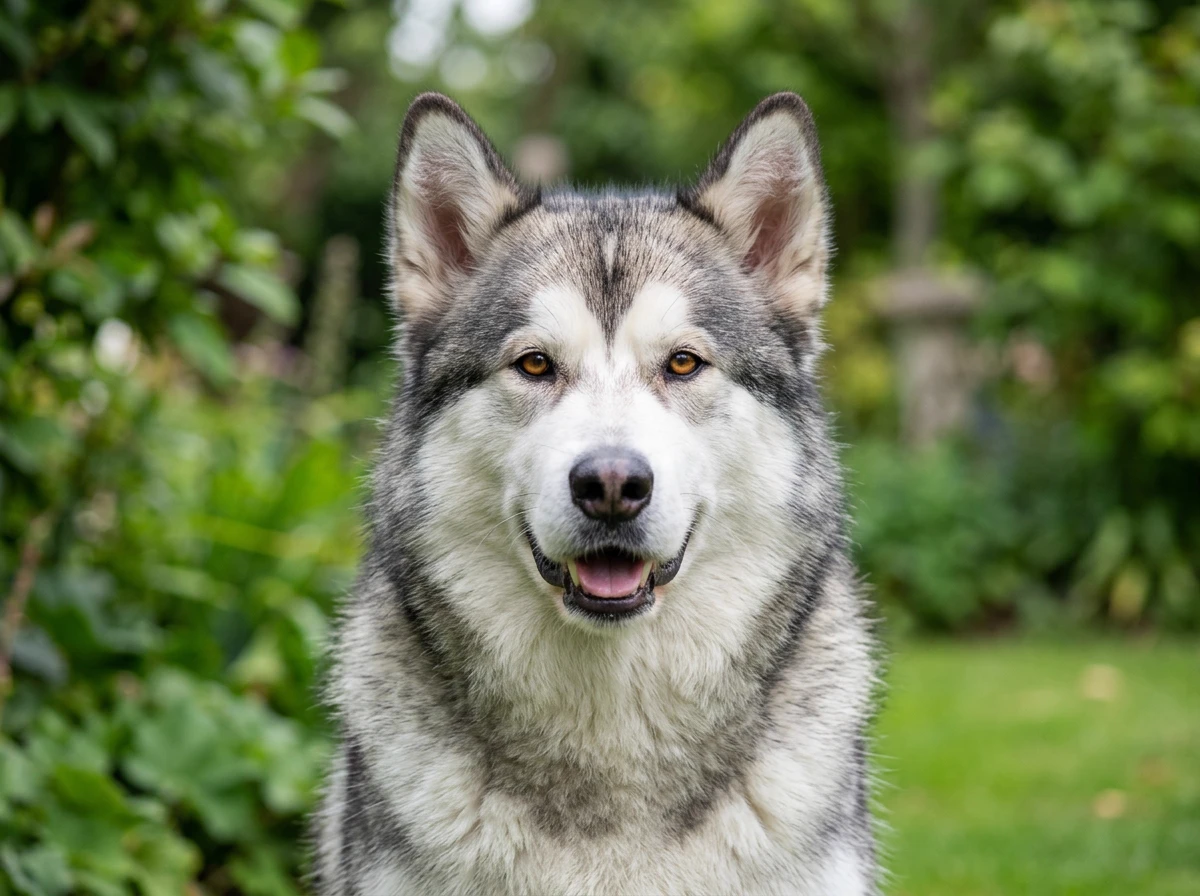
Yes — ‘husky’ is a type, ‘Siberian Husky’ is a breed. Husky-type dogs include the Alaskan Husky (a performance mix, not a breed), the Alaskan Malamute, and others. The Siberian Husky is the specific 16–27 kg AKC-recognized breed from Siberia. When people say ‘husky,’ they usually mean this one.
Keep exploring
Related Working breeds



Compare Siberian Husky
Best for your lifestyle
Free tools
Health information is for general guidance only and is not veterinary advice. Always consult your veterinarian about your individual dog. Cost figures are rough estimates and vary by location.