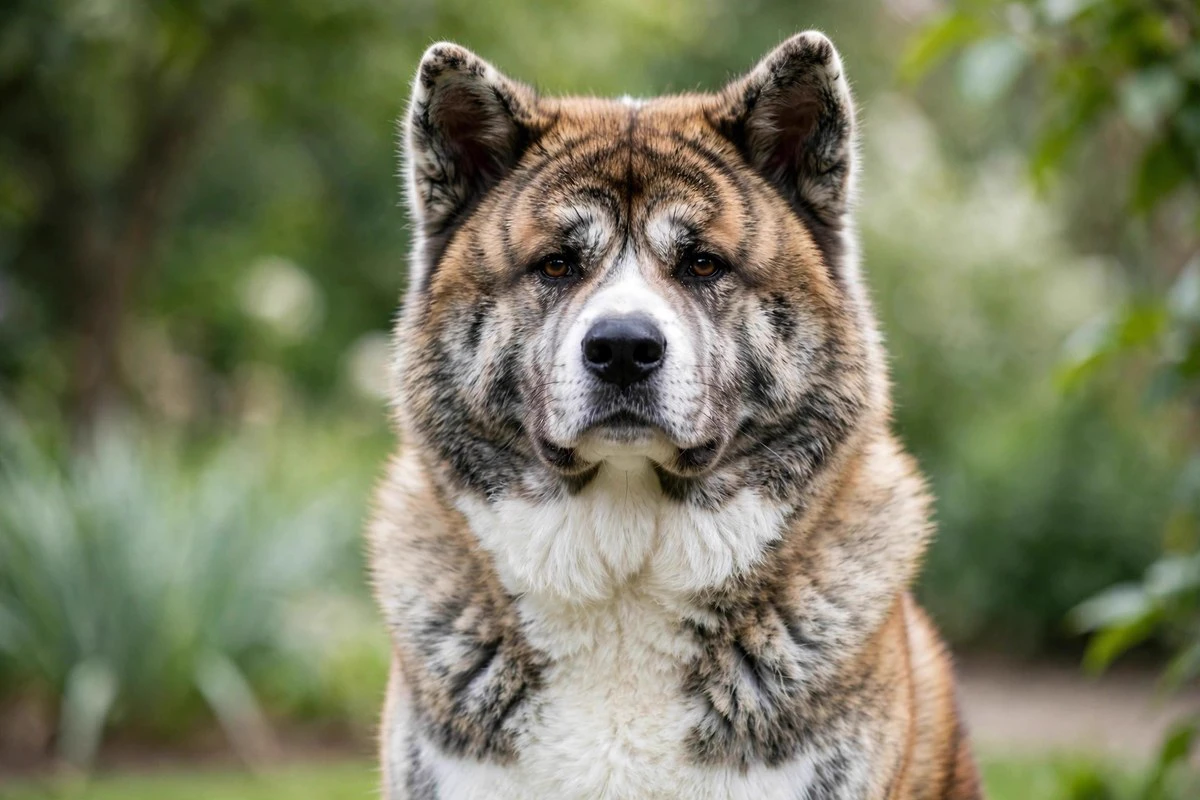
Akita — Complete Breed Guide
Working · from Japan · AKC rank #62 (2025)
Key facts
| Breed group | Working |
| Origin | Japan |
| Weight | 30–50 kg (66–110 lbs) |
| Height | 61–71 cm |
| Lifespan | 10–14 years |
| Coat | thick double |
| AKC popularity rank (2025) | #62 of 202 recognized breeds |
Trait ratings
Our editorial 1–5 scoring, based on breed-standard temperament data.
Monthly cost
Expect roughly $120–$220 per month (estimate: food, routine vet care, grooming, insurance). Larger breeds and heavy groomers sit at the higher end. Price out the years, not just the day, with our monthly dog cost calculator.
Akita coat colors and varieties
The Akita's coat is thick double. Within the breed you'll come across varieties buyers search for by name — black — which usually come down to different lines and breeders rather than different dogs. Color doesn't change the temperament, exercise needs, or health picture described above.
If you have your heart set on a specific look, ask the breeder to see the parents and recent litters, and be wary of anyone charging a big premium for a color alone.
What does a Akita cost?
Budget roughly $120–$220 a month for the ongoing side: food, routine vet care, grooming, and insurance. Larger breeds and heavy groomers sit at the higher end.
The purchase price itself is a different question, and there's no single honest number — it swings with breeder reputation, health testing, pedigree, and where you live. What actually drives it: documented health screening of the parents, a breeder who answers hard questions, and your region.
Run your own numbers with our monthly dog cost calculator before you fall in love with a puppy.
Common Akita mixes
Designer mixes get a lot of searches, so here's an honest map: a mix inherits unpredictably from both parents — no guarantees on size, coat, or temperament. If a mix catches your eye, read both parent profiles where they exist and judge the dog in front of you.
- Akita × Siberian Husky — read the Siberian Husky profile too; a mix can inherit either parent's traits.
Health issues to know
- hip dysplasia
- autoimmune disorders
- bloat (GDV)
- eye disorders
- Active owners (running, hiking, sports)
- You can't commit to 1+ hour of daily exercise
- You live in a small apartment with no yard access
- Anyone in the home has dog allergies
Frequently asked questions
How long does a Akita live?
Typically 10–14 years. Larger individuals and lines with known health issues tend toward the lower end.
How much does a Akita cost per month?
Roughly $120–$220 per month for food, routine vet care, grooming and insurance — an estimate that varies by location.
Is the Akita good for apartments?
It scores 1/5 for apartment suitability. Not ideal — it needs space and struggles in small homes.
Is the Akita good with kids?
It scores 2/5 for kid-friendliness. Better with older, dog-savvy kids than toddlers.
Does the Akita shed a lot?
Shedding scores 5/5. Yes — heavy, year-round shedding.
Is the Akita an aggressive dog?
Not inherently, but it is a powerful breed with strong guarding instincts and a tendency to be aloof with strangers. Without early socialization and firm, consistent training, that wariness can turn into problem behavior around unfamiliar people and dogs. It suits experienced owners best — our dataset scores it just 2/5 for kid-friendliness.
Which is better, a Shiba Inu or an Akita?
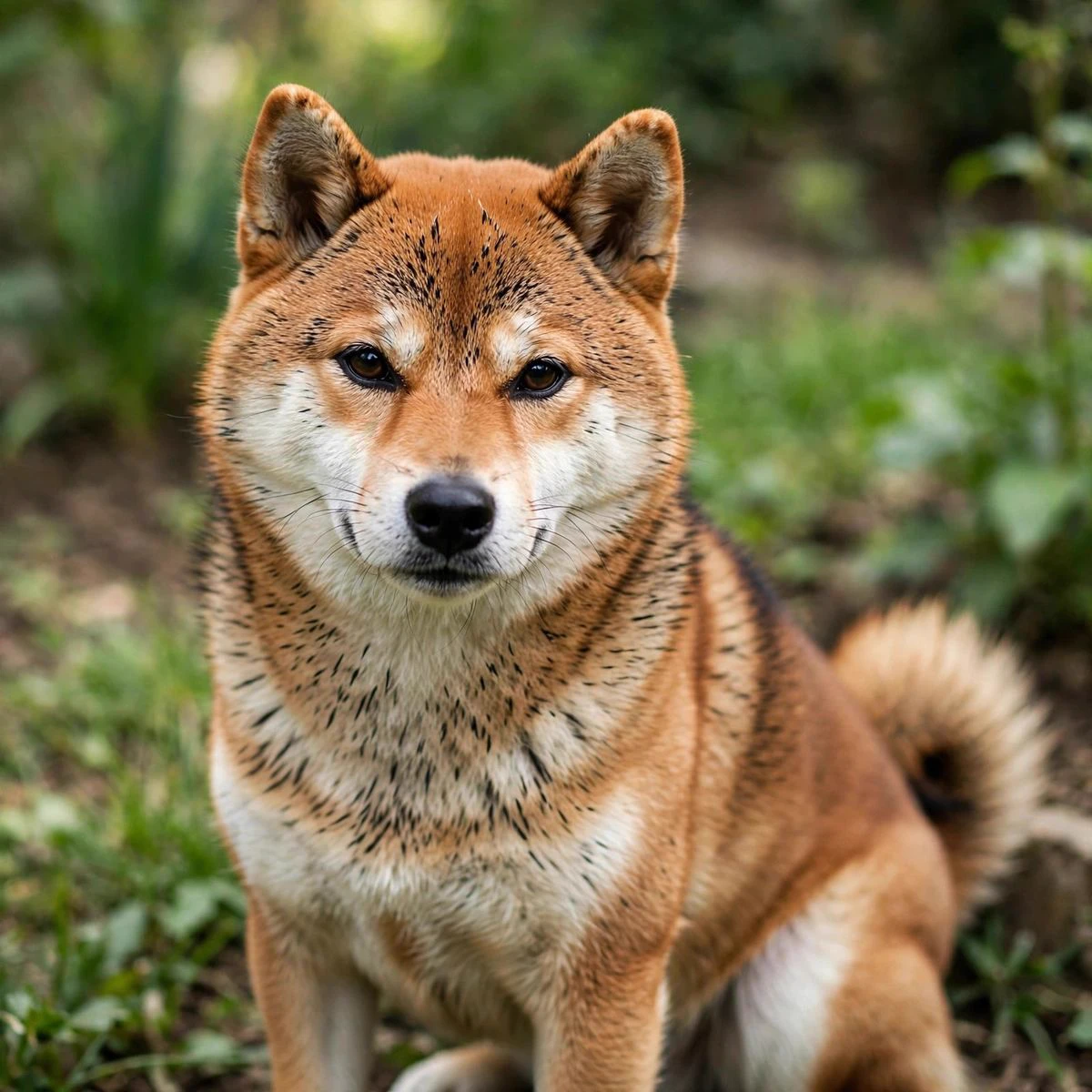
They are very different dogs despite the family resemblance. The Akita is a large guardian breed (30–50 kg) that needs space and an experienced owner, while the Shiba Inu (8–11 kg) is a smaller, more independent companion that adapts better to apartments (4/5 vs 1/5). Choose the Akita for a guardian presence and the Shiba for a lower-maintenance, cat-like companion — the full Shiba Inu profile compares the details.
What is the difference between an American Akita and a Japanese Akita Inu?
They are two types of the same original Japanese breed that diverged after World War II. The American Akita is larger and heavier-boned with a broader head, while the Japanese Akita Inu is lighter with a fox-like face. Both share the breed’s loyal, reserved temperament, and most kennel clubs treat them as separate breeds today.
Keep exploring
Related Working breeds
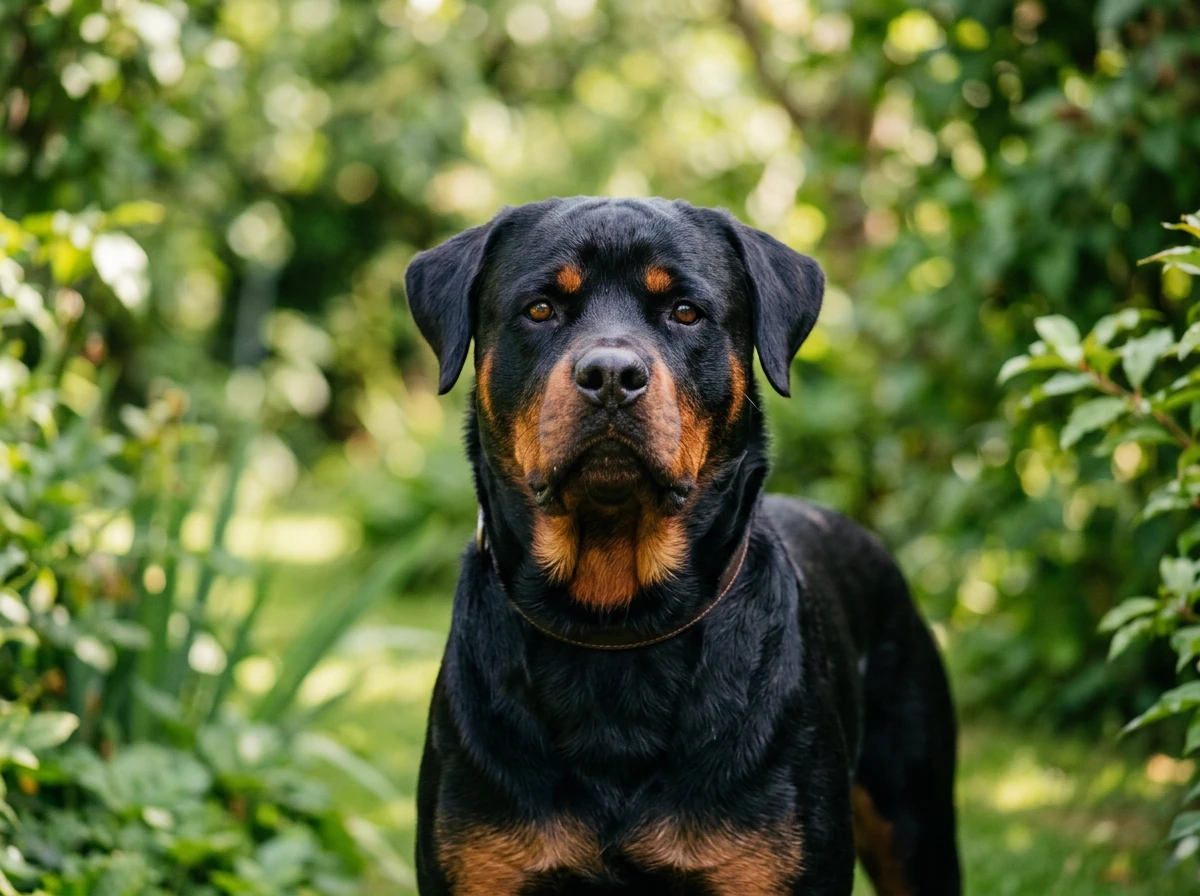
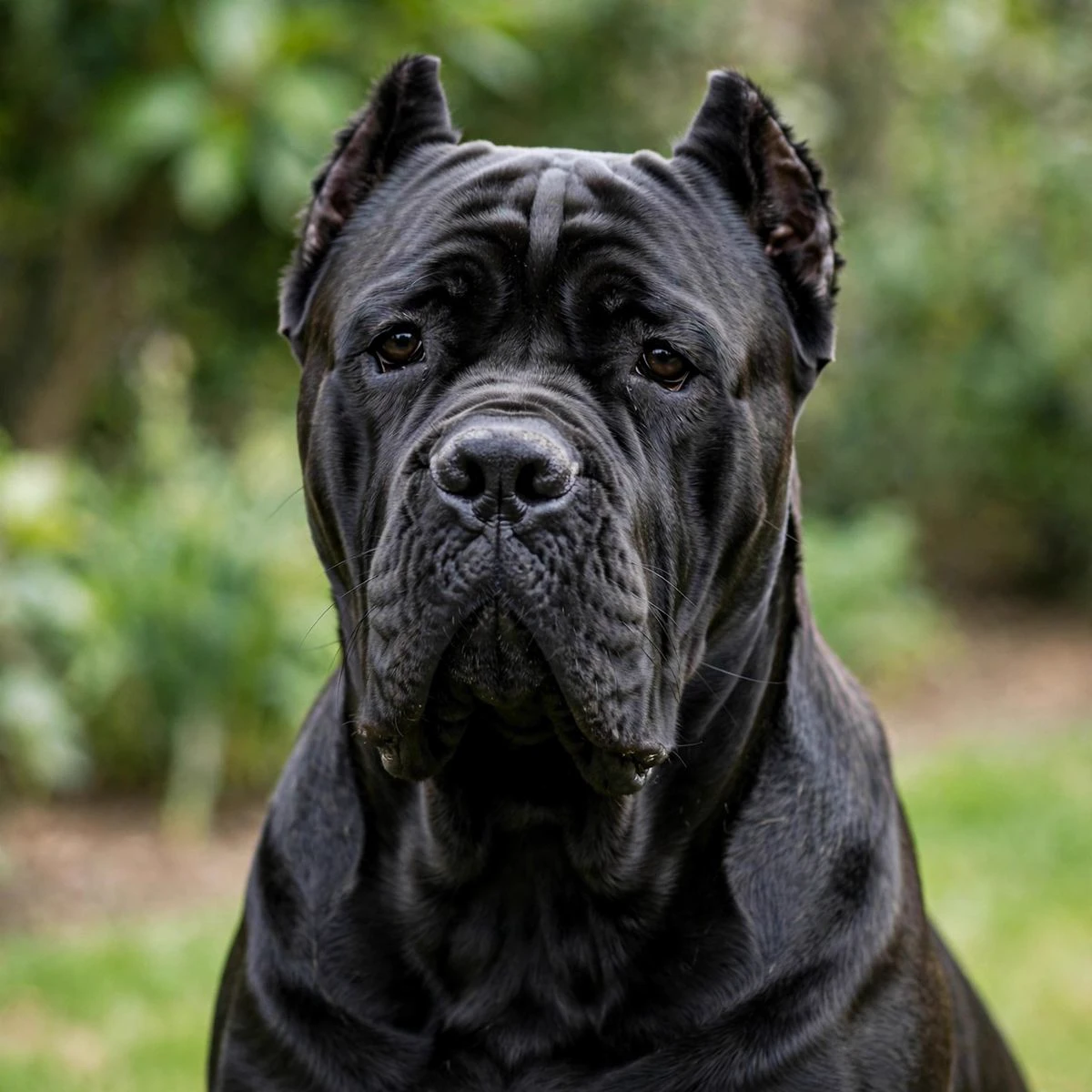
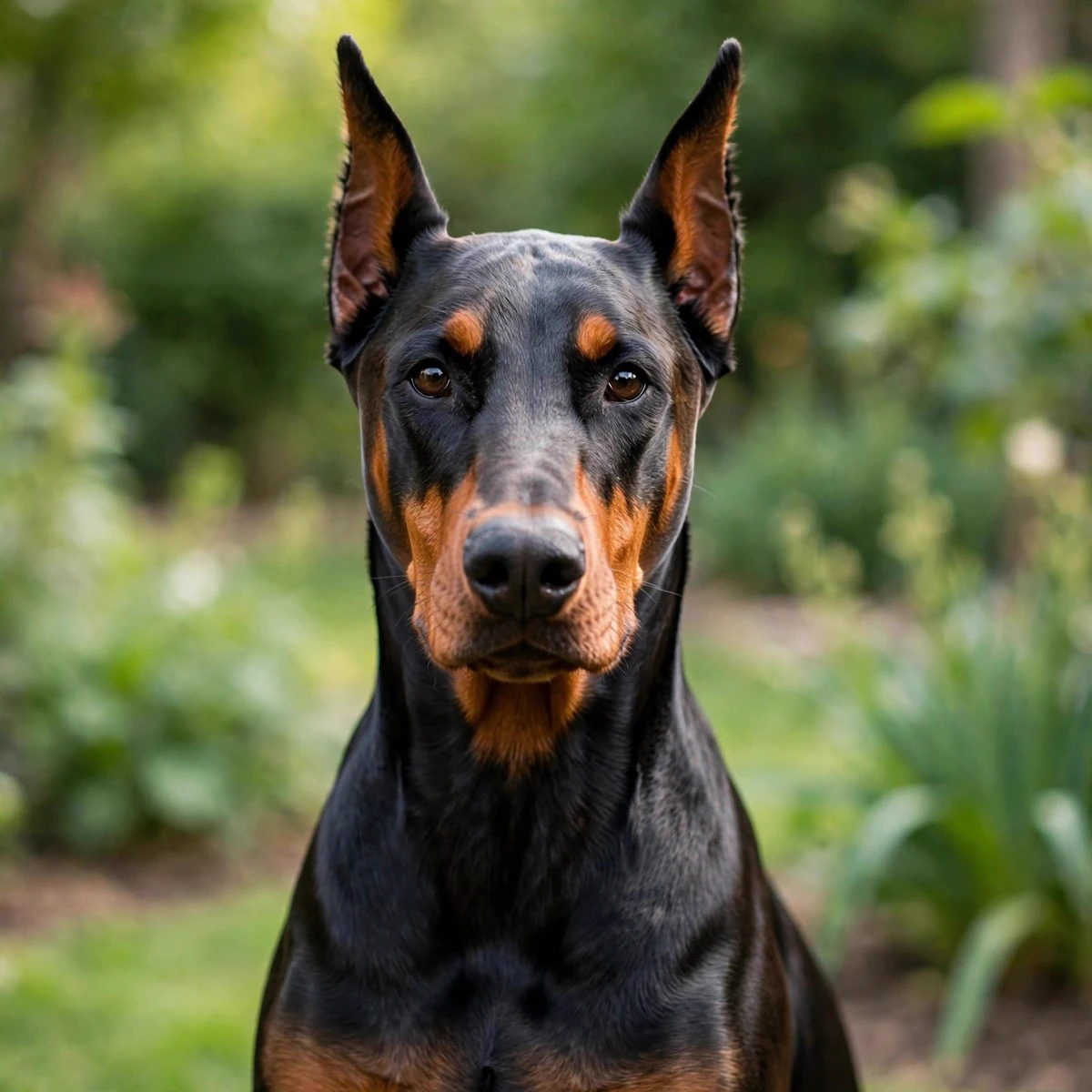
Compare Akita
Best for your lifestyle
Free tools
Health information is for general guidance only and is not veterinary advice. Always consult your veterinarian about your individual dog. Cost figures are rough estimates and vary by location.