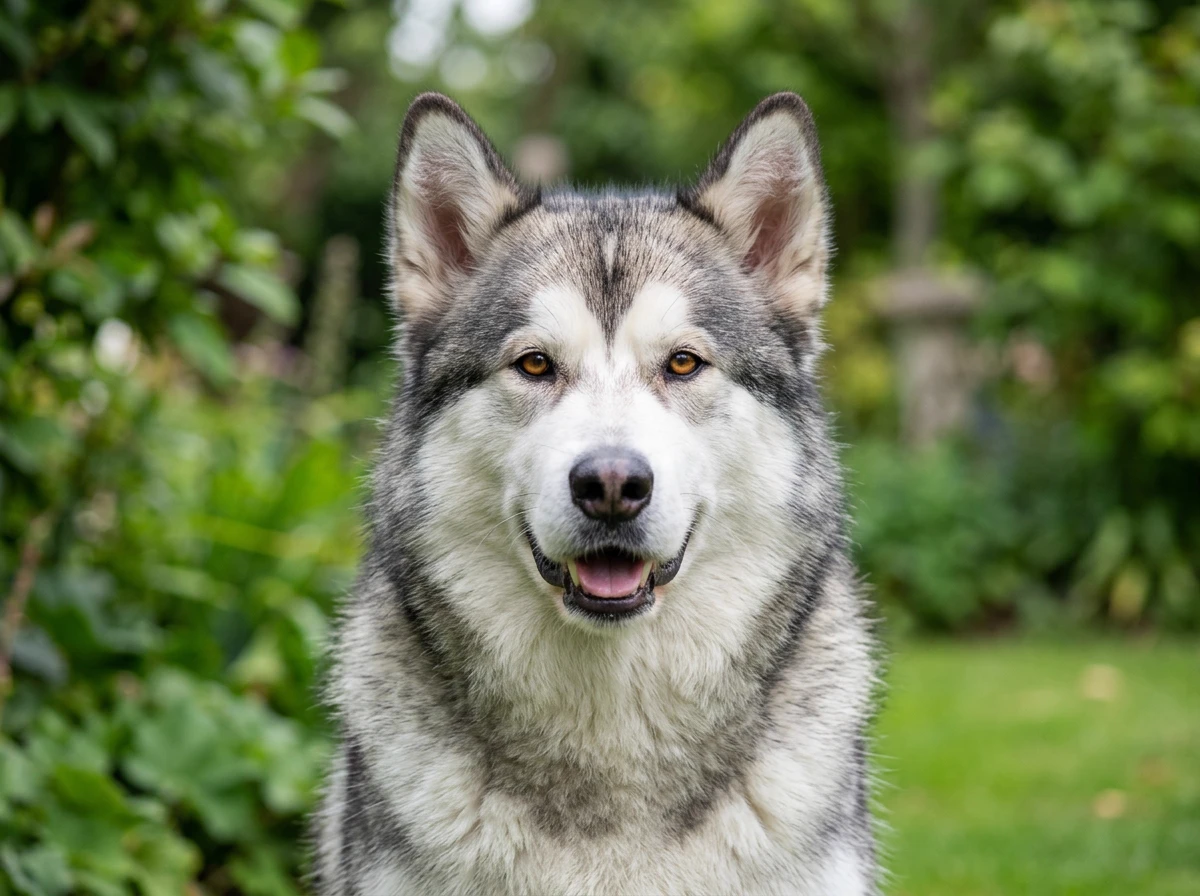
Alaskan Malamute — Complete Breed Guide
Working · from Alaska · AKC rank #81 (2025)
Key facts
| Breed group | Working |
| Origin | Alaska |
| Weight | 34–45 kg (75–99 lbs) |
| Height | 58–66 cm |
| Lifespan | 10–14 years |
| Coat | thick double |
| AKC popularity rank (2025) | #81 of 202 recognized breeds |
Trait ratings
Our editorial 1–5 scoring, based on breed-standard temperament data.
Monthly cost
Expect roughly $120–$220 per month (estimate: food, routine vet care, grooming, insurance). Larger breeds and heavy groomers sit at the higher end. Price out the years, not just the day, with our monthly dog cost calculator.
Alaskan Malamute puppies: what to expect
An Alaskan Malamute puppy grows into a 34–45 kg working dog with a heavy double coat — plan for that adult reality from day one, not the fluffy puppy in front of you. The non-negotiables: a vet check in the first week, vaccinations on schedule, and consistent training from day one, because an untrained 40 kg adolescent with an independent streak is a serious handling challenge.
Budget beyond the monthly figure above for year one: vet visits, supplies, and maybe training help. If you can, meet the mother — temperament is partly inherited, and her behavior is your best preview.
Common Alaskan Malamute mixes
Designer mixes get a lot of searches, so here's an honest map: a mix inherits unpredictably from both parents — no guarantees on size, coat, or temperament. If a mix catches your eye, read both parent profiles where they exist and judge the dog in front of you.
- Alaskan Malamute × Siberian Husky — read the Siberian Husky profile too; a mix can inherit either parent's traits.
- Alaskan Malamute × German Shepherd Dog — read the German Shepherd Dog profile too; a mix can inherit either parent's traits.
Health issues to know
- hip dysplasia
- bloat (GDV)
- polyneuropathy
- hypothyroidism
- Families with children
- Active owners (running, hiking, sports)
- You can't commit to 1+ hour of daily exercise
- You live in a small apartment with no yard access
- Anyone in the home has dog allergies
Frequently asked questions
How long does a Alaskan Malamute live?
Typically 10–14 years. Larger individuals and lines with known health issues tend toward the lower end.
How much does a Alaskan Malamute cost per month?
Roughly $120–$220 per month for food, routine vet care, grooming and insurance — an estimate that varies by location.
Is the Alaskan Malamute good for apartments?
It scores 1/5 for apartment suitability. Not ideal — it needs space and struggles in small homes.
Is the Alaskan Malamute good with kids?
It scores 4/5 for kid-friendliness. Excellent family choice, with normal supervision.
Does the Alaskan Malamute shed a lot?
Shedding scores 5/5. Yes — heavy, year-round shedding.
Do Alaskan Malamutes have wolf in them?
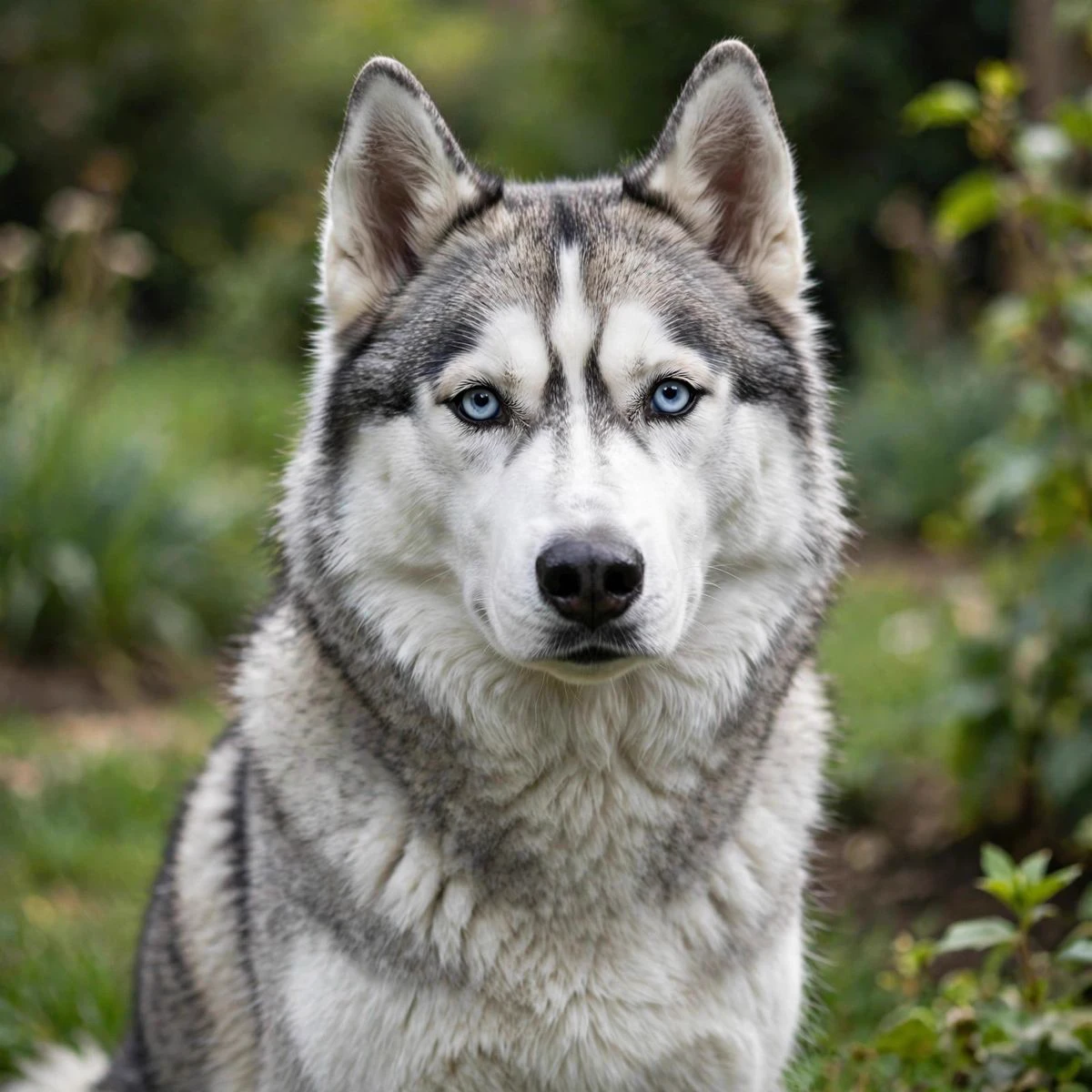
No — despite the looks, the Alaskan Malamute is a pure domestic dog breed developed by the Mahlemut Inupiat people of Alaska for hauling heavy sleds. The wolf-like appearance is just that: appearance. It is 100% dog, with a friendly, pack-oriented temperament.
Is an Alaskan Malamute the same as a Husky?
No, they are distinct breeds with different jobs. The Malamute (34–45 kg) was bred to pull heavy freight slowly, while the Siberian Husky (16–27 kg) was bred for speed over distance. Malamutes are bigger, stronger, and generally calmer indoors; Huskies are lighter, faster, and more restless — see the Siberian Husky profile for the full comparison.
Is there really a “giant” Alaskan Malamute?
Not as an official variety — no major kennel club recognizes a giant type. Some breeders market oversized Malamutes as “giants,” but these are just large individuals, sometimes from lines selected for size over health. A standard Malamute at 34–45 kg is already a very large, powerful dog.
Keep exploring
Related Working breeds
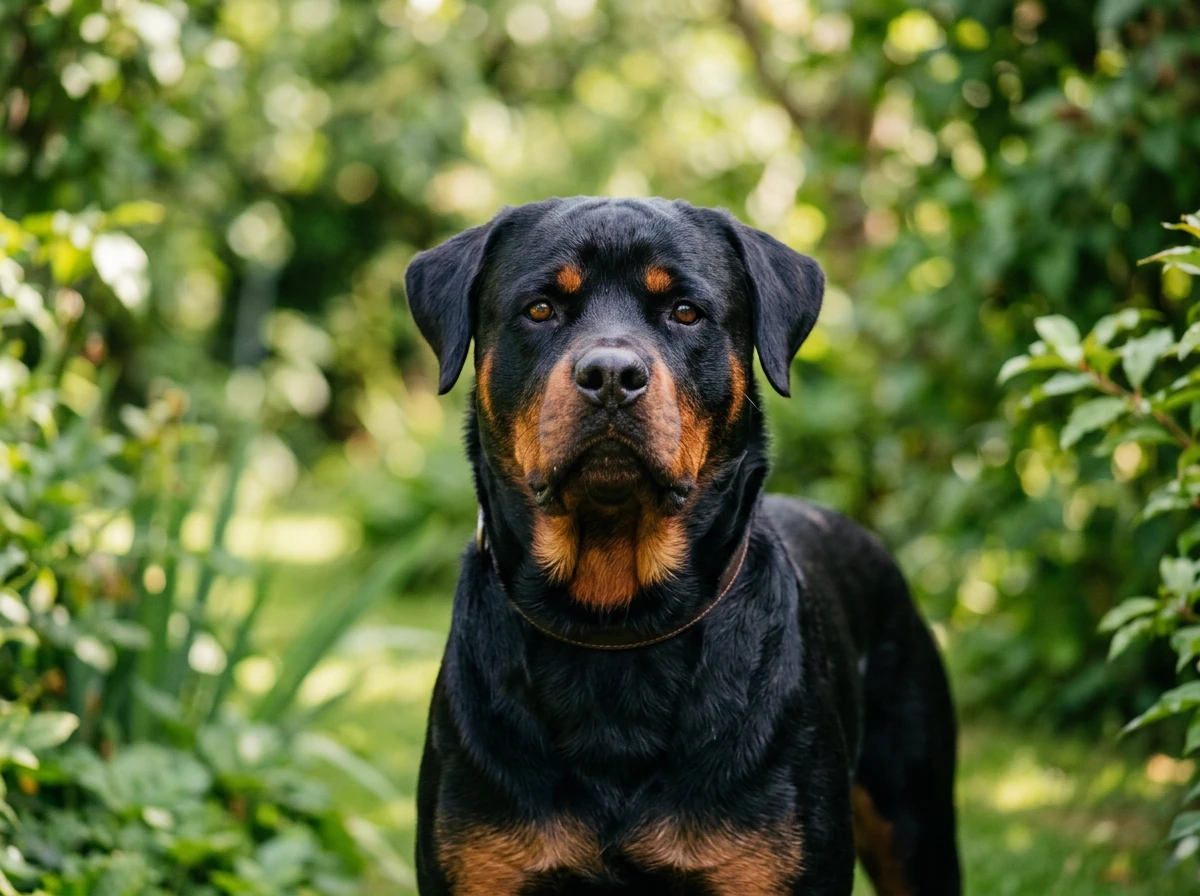
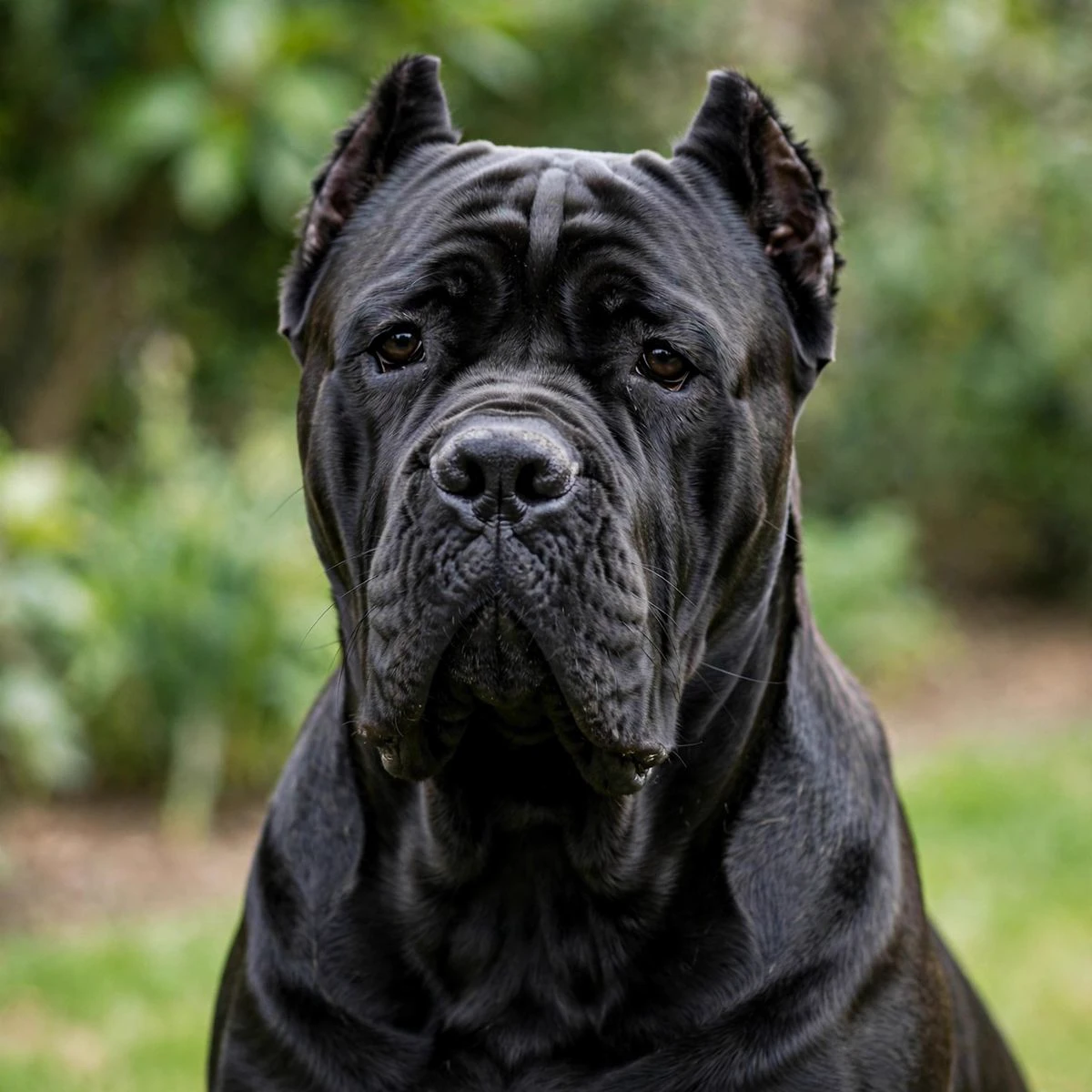
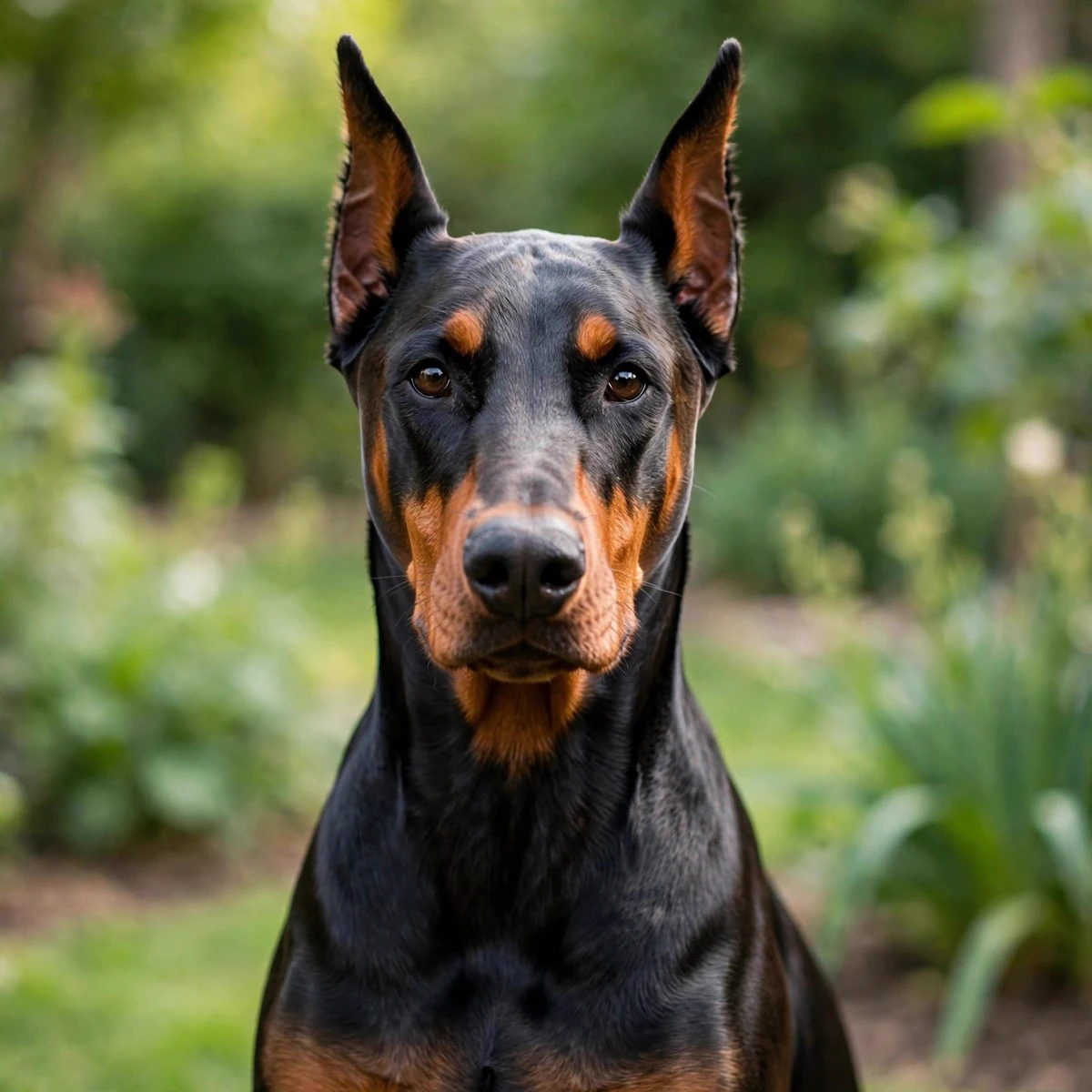
Compare Alaskan Malamute
Best for your lifestyle
Free tools
Health information is for general guidance only and is not veterinary advice. Always consult your veterinarian about your individual dog. Cost figures are rough estimates and vary by location.