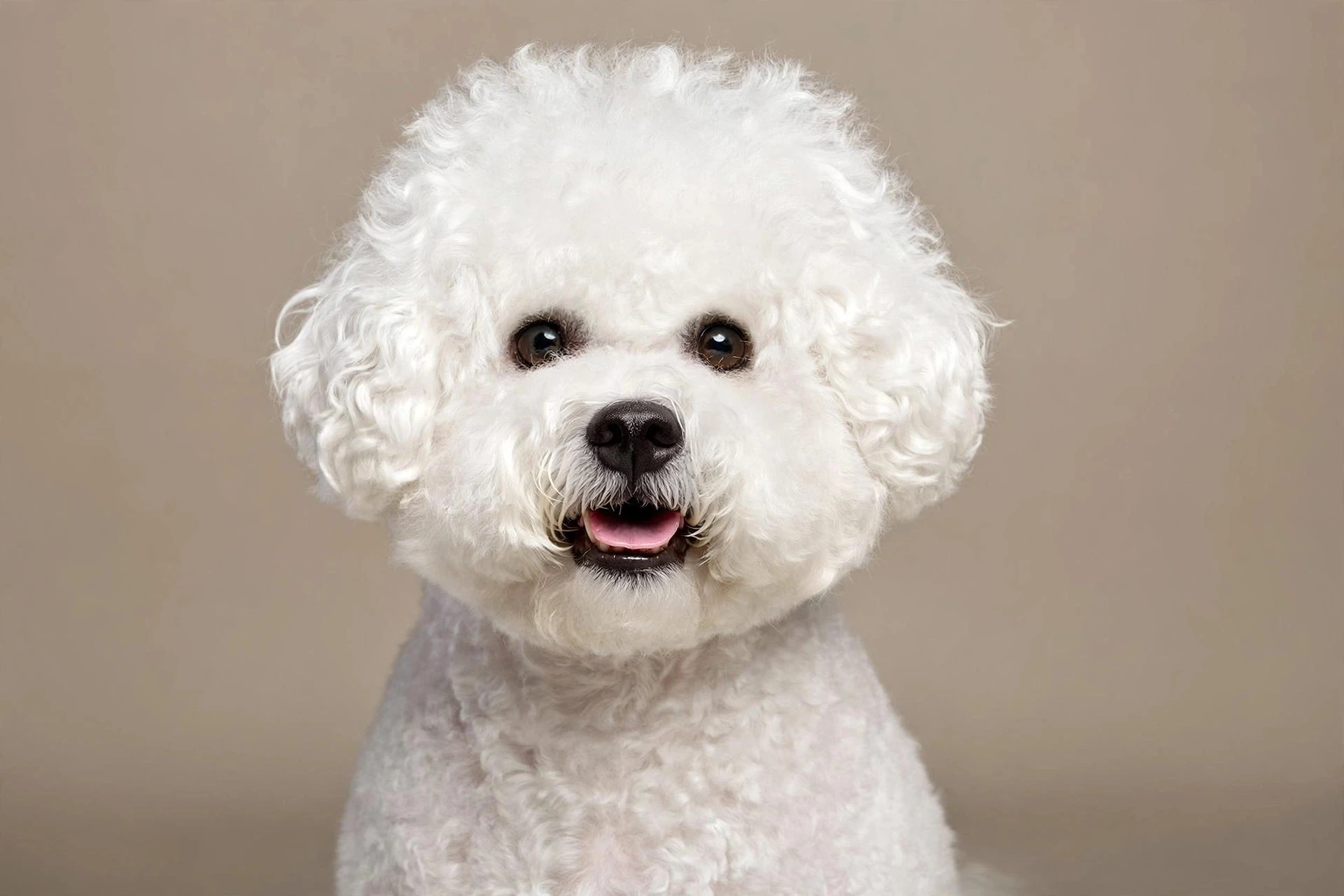
Bichon Frise — Complete Breed Guide
Non-Sporting · from France · AKC rank #49 (2025)
Key facts
| Breed group | Non-Sporting |
| Origin | France |
| Weight | 5–8 kg (11–18 lbs) |
| Height | 24–29 cm |
| Lifespan | 14–15 years |
| Coat | curly white double |
| AKC popularity rank (2025) | #49 of 202 recognized breeds |
Trait ratings
Our editorial 1–5 scoring, based on breed-standard temperament data.
Monthly cost
Expect roughly $80–$160 per month (estimate: food, routine vet care, grooming, insurance). Larger breeds and heavy groomers sit at the higher end. Price out the years, not just the day, with our monthly dog cost calculator.
Bichon Frise coat colors and varieties
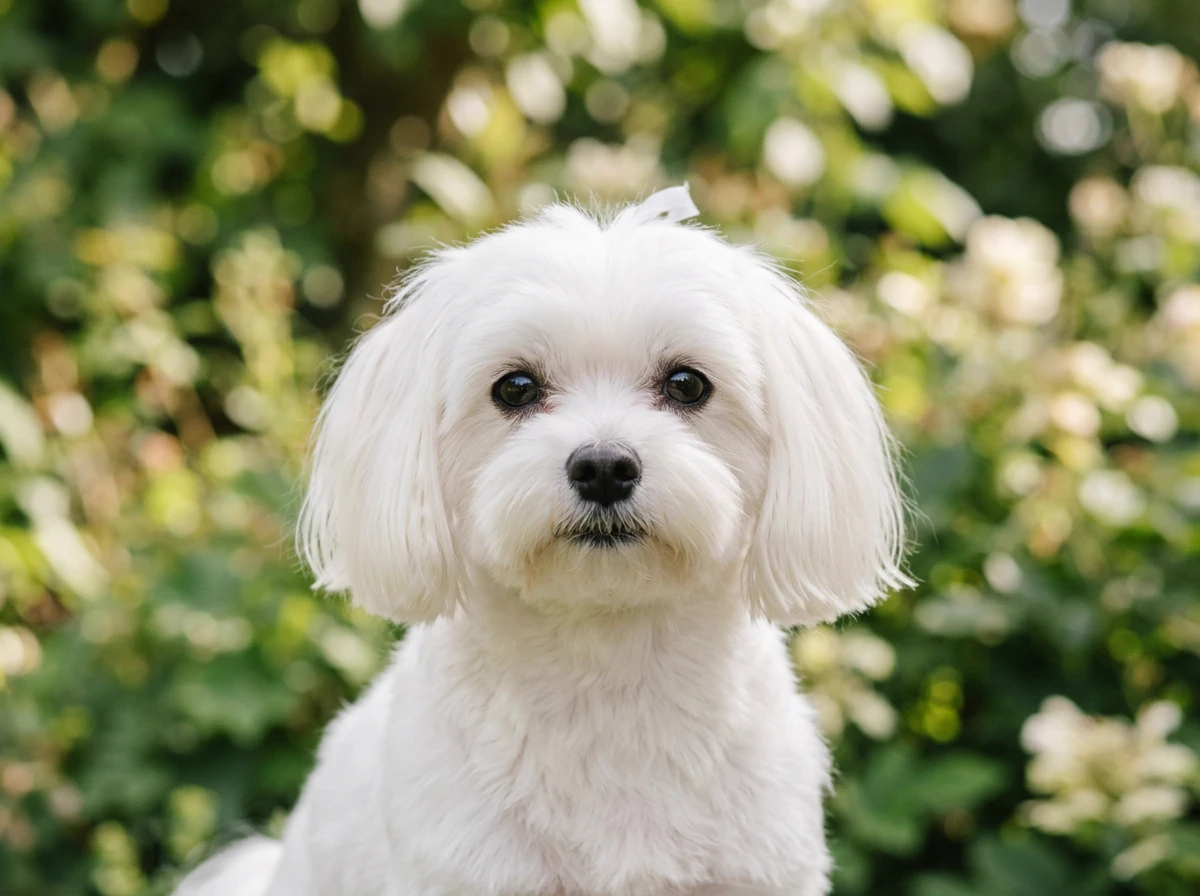
The Bichon Frise's coat is curly white double. This is a one-color breed: white is the standard, and cream or apricot shading on puppies' ears usually fades with age. Anyone selling "rare colored" or "teacup" Bichons is marketing, not breeding — there is no separate variety.
What does vary is the clip. Most pet owners keep the coat in a shorter puppy cut rather than the show-ring powder puff, which makes the 5/5 grooming need far more livable.
What does a Bichon Frise cost?
Two budgets matter: the puppy, and everything after. After: about $80–$160 per month for food, routine vet care, grooming, and insurance — larger breeds and heavy groomers sit at the higher end.
The puppy price has no fixed answer — anyone quoting one for the whole internet is guessing. Health-tested parents from a breeder who'll take the dog back if life goes sideways cost more up front and usually less over the dog's lifetime. Price out the years, not just the day, with our monthly dog cost calculator.
Bichon Frise puppies: what to expect
Puppyhood is the expensive, exhausting, wonderful part. Plan for a first vet visit within days of bringing yours home, a vaccine series over the first few months, and training that starts the day it arrives — not at six months.
Housetraining is the classic Bichon frustration, and it's usually a small bladder, not stubbornness — frequent trips outside and a strict schedule fix most of it. Start the brushing routine early too; a puppy that accepts grooming is an adult that tolerates it.
Common Bichon Frise mixes
Designer mixes get a lot of searches, so here's an honest map: a mix inherits unpredictably from both parents — no guarantees on size, coat, or temperament. If a mix catches your eye, read both parent profiles where they exist and judge the dog in front of you.
- Bichon Frise × Poodle — read the Poodle profile too; a mix can inherit either parent's traits.
- Bichon Frise × Maltese — read the Maltese profile too; a mix can inherit either parent's traits.
Health issues to know
- skin allergies
- luxating patella
- dental disease
- bladder stones
- Families with children
- Apartment / city living
- First-time owners (easy to train)
- Low-shedding households
- You want a wash-and-go, low-maintenance coat
Frequently asked questions
How long does a Bichon Frise live?
Typically 14–15 years. Larger individuals and lines with known health issues tend toward the lower end.
How much does a Bichon Frise cost per month?
Roughly $80–$160 per month for food, routine vet care, grooming and insurance — an estimate that varies by location.
Is the Bichon Frise good for apartments?
It scores 5/5 for apartment suitability. Yes — a solid apartment dog with regular walks.
Is the Bichon Frise good with kids?
It scores 4/5 for kid-friendliness. Excellent family choice, with normal supervision.
Does the Bichon Frise shed a lot?
Shedding scores 1/5. Minimal shedding.
What is the downside of a Bichon Frise?
Grooming leads: the curly double coat scores 5/5 for grooming need and mats without constant brushing plus professional trims. Beyond the coat, Bichons are Velcro companion dogs prone to separation anxiety — 8+ hours alone as a routine is unfair to them — and housetraining takes patience. The temperament itself (kid-friendly 4/5, apartment 5/5, barking 3/5) is close to ideal; the maintenance is coat and company.
Do Bichon Frises bark a lot?
Moderately — 3/5 in our dataset. They are alert and will announce visitors, but they are not in the yapper tier like some small breeds. Training a quiet cue early keeps the alert barking from becoming a habit, and it is rarely a dealbreaker for apartment living (5/5 suitability).
Is there a difference between Bichon and Bichon Frise?
"Bichon" alone is just shorthand for Bichon Frise in everyday use — same dog. The confusion comes from the wider bichon family of small white companion breeds: the Maltese, Havanese, and Bolognese are all bichon-type dogs but separate breeds. If someone says "Bichon" without qualification, they mean the Bichon Frise (5–8 kg, AKC #49 in 2025).
Keep exploring
Related Non-Sporting breeds
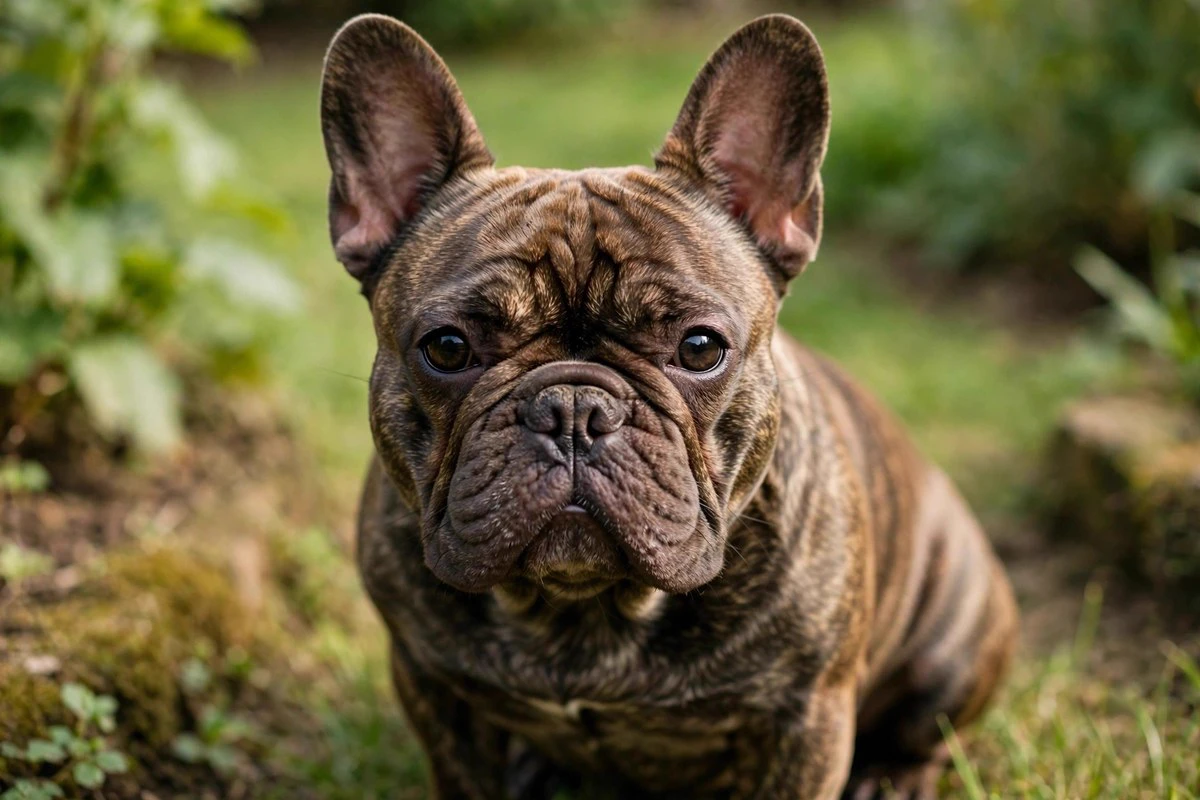
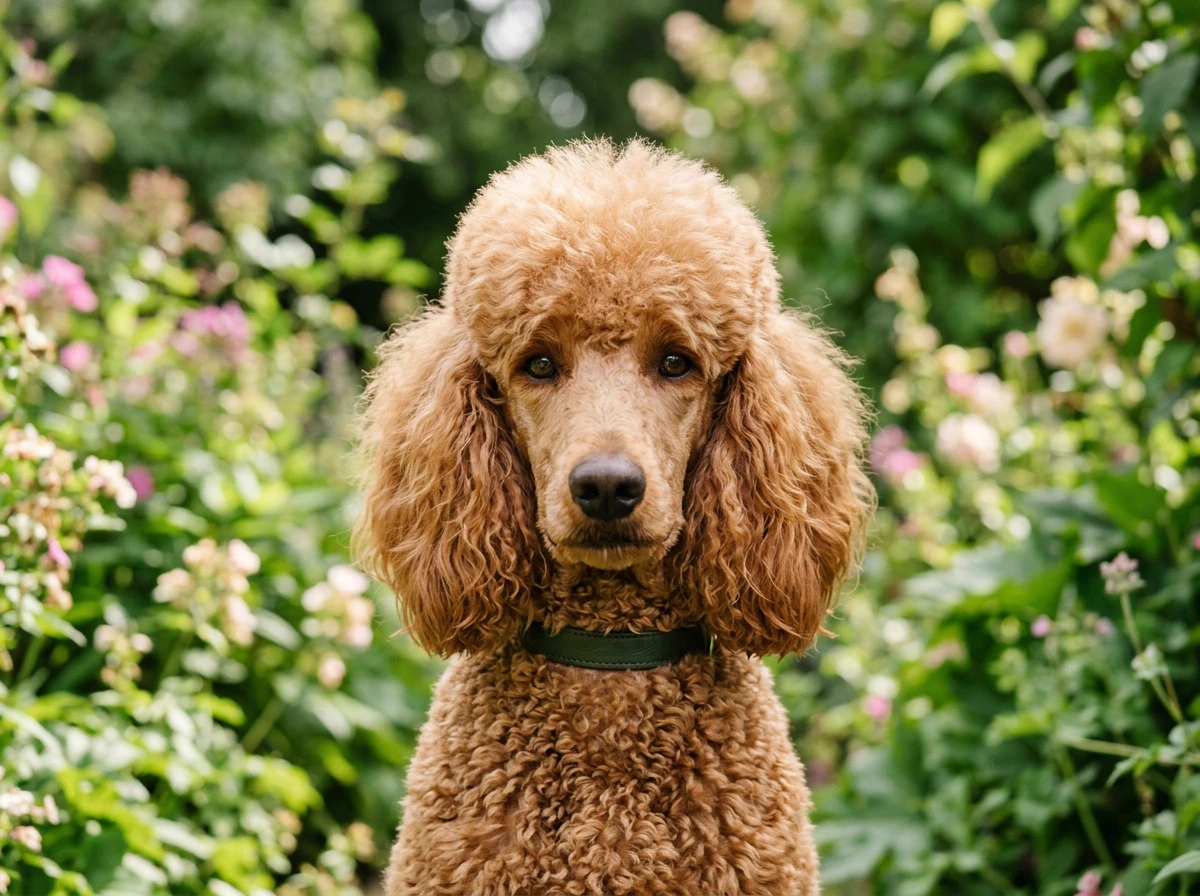
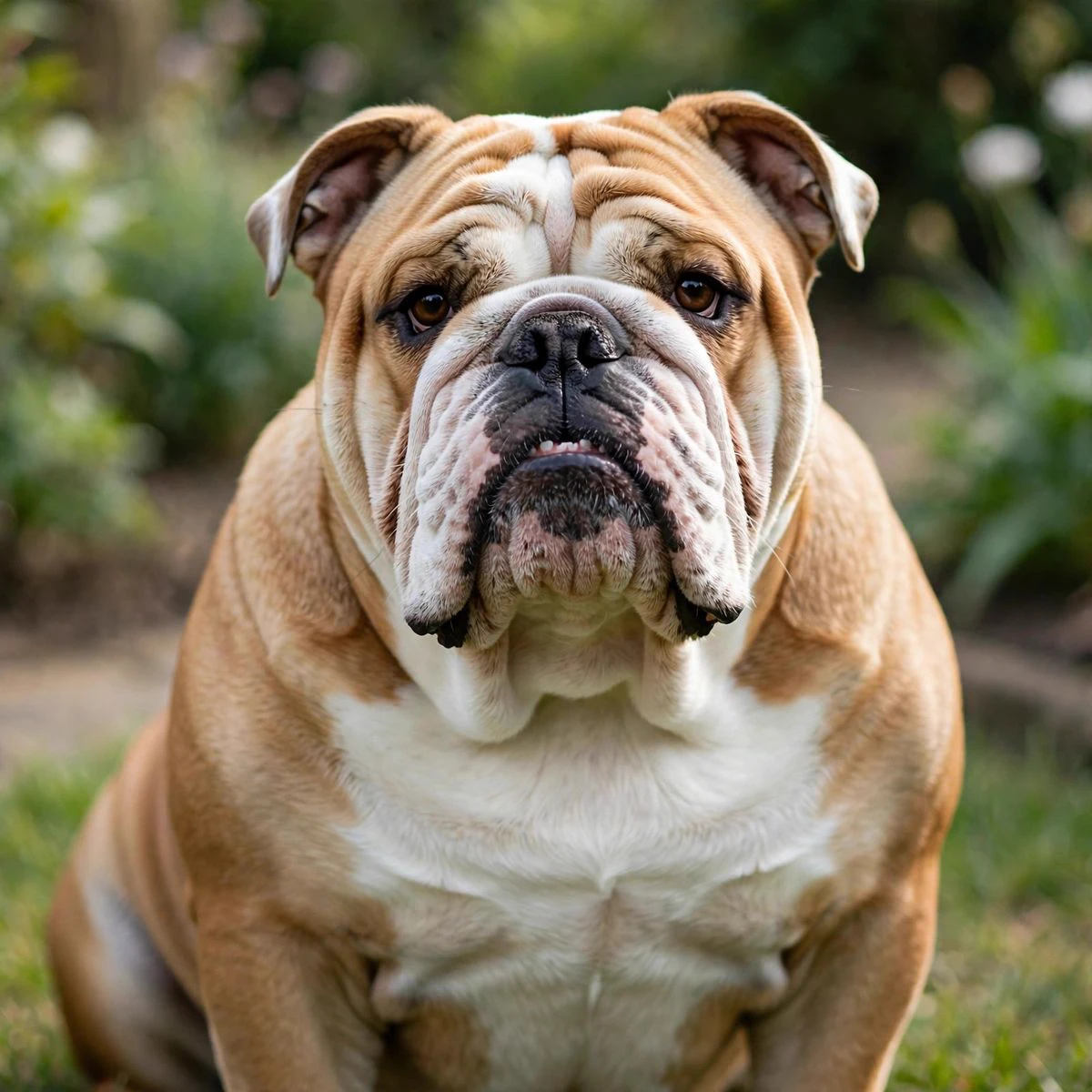
Compare Bichon Frise
Best for your lifestyle
- best apartment dogs
- best dogs for kids
- best dogs for first-time owners
- hypoallergenic dog breeds
- low-shedding dog breeds
- low energy dog breeds
- quiet dog breeds
Free tools
Health information is for general guidance only and is not veterinary advice. Always consult your veterinarian about your individual dog. Cost figures are rough estimates and vary by location.