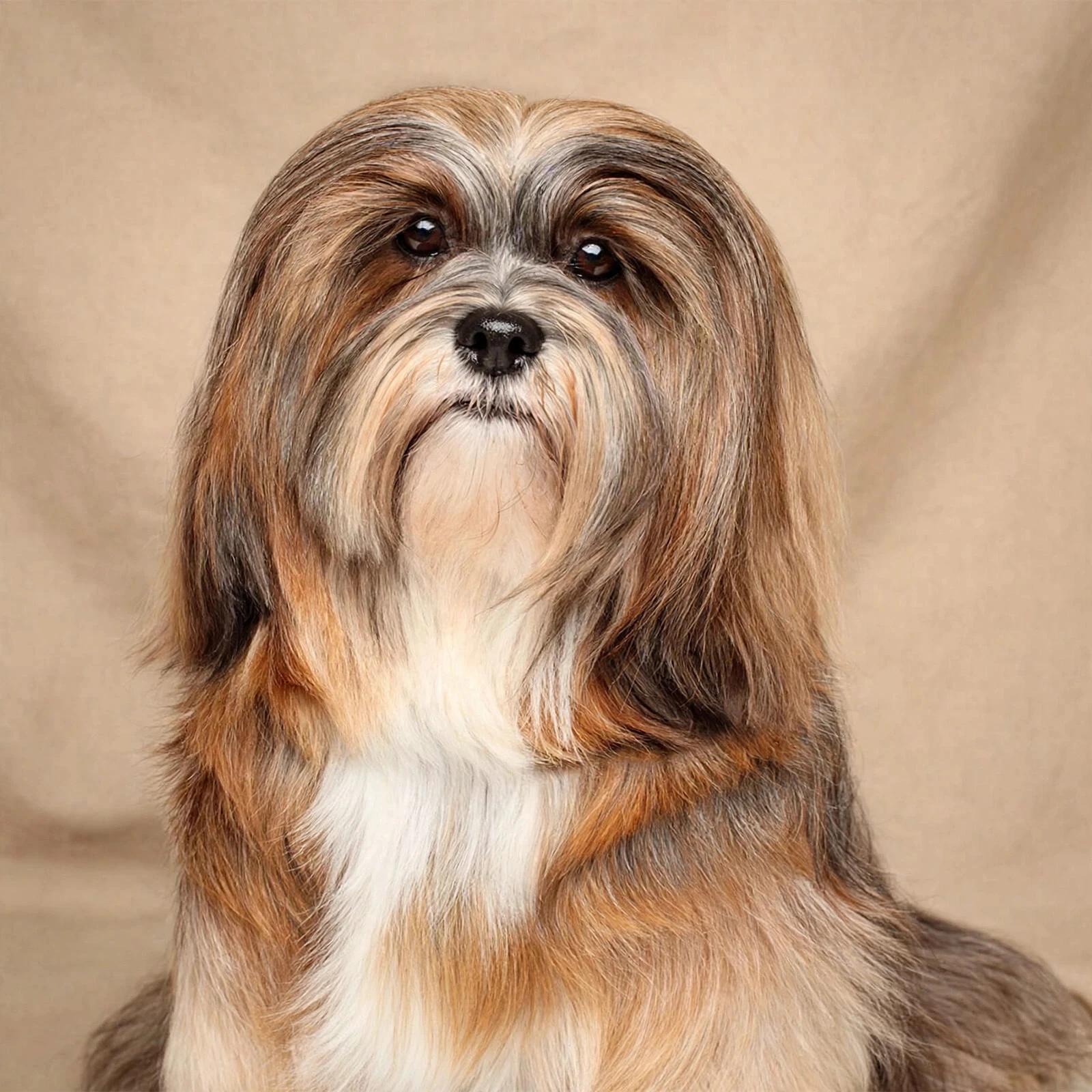
Lhasa Apso — Complete Breed Guide
Non-Sporting · from Tibet · AKC rank #83 (2025)
Key facts
| Breed group | Non-Sporting |
| Origin | Tibet |
| Weight | 5–8 kg (11–18 lbs) |
| Height | 25–28 cm |
| Lifespan | 12–15 years |
| Coat | long straight dense |
| AKC popularity rank (2025) | #83 of 202 recognized breeds |
Trait ratings
Our editorial 1–5 scoring, based on breed-standard temperament data.
Monthly cost
Expect roughly $80–$160 per month (estimate: food, routine vet care, grooming, insurance). Larger breeds and heavy groomers sit at the higher end. Price out the years, not just the day, with our monthly dog cost calculator.
Lhasa Apso coat colors and varieties
The Lhasa Apso's coat is long straight dense. Within the breed you'll come across varieties buyers search for by name — gold, cream, honey, smoke, slate, black, parti-color — which usually come down to different lines and breeders rather than different dogs. Color doesn't change the temperament, exercise needs, or health picture described above.
What does change the dog is the haircut: most pet Lhasas live in a short puppy clip rather than the floor-length show coat, which turns the 5/5 grooming need into something manageable.
What does a Lhasa Apso cost?
Budget roughly $80–$160 a month for the ongoing side: food, routine vet care, grooming, and insurance. Larger breeds and heavy groomers sit at the higher end.
The purchase price itself is a different question, and there's no single honest number — it swings with breeder reputation, health testing, pedigree, and where you live. The ongoing grooming bill (regular professional trims if you don't do it yourself) is the cost people underestimate. Run your own numbers with our monthly dog cost calculator before you fall in love with a puppy.
Lhasa Apso puppies: what to expect
A Lhasa Apso puppy grows into an independent, watchful small dog — loyal to its people but famously unimpressed by strangers, with a long coat that needs regular grooming. The non-negotiables: a vet check in the first week, vaccinations on schedule, and patient, consistent training from day one; this breed responds to respect, not force.
Two breed-specific notes: Lhasas were palace watchdogs, so early, wide socialization is what stands between a confident companion and a suspicious barker — and that famous independence means training works best with patience and rewards, not force. The temperament scores on this page assume a well-socialized dog.
Common Lhasa Apso mixes
Designer mixes get a lot of searches, so here's an honest map: a mix inherits unpredictably from both parents — no guarantees on size, coat, or temperament. If a mix catches your eye, read both parent profiles where they exist and judge the dog in front of you.
- Lhasa Apso × Shih Tzu — read the Shih Tzu profile too; a mix can inherit either parent's traits.
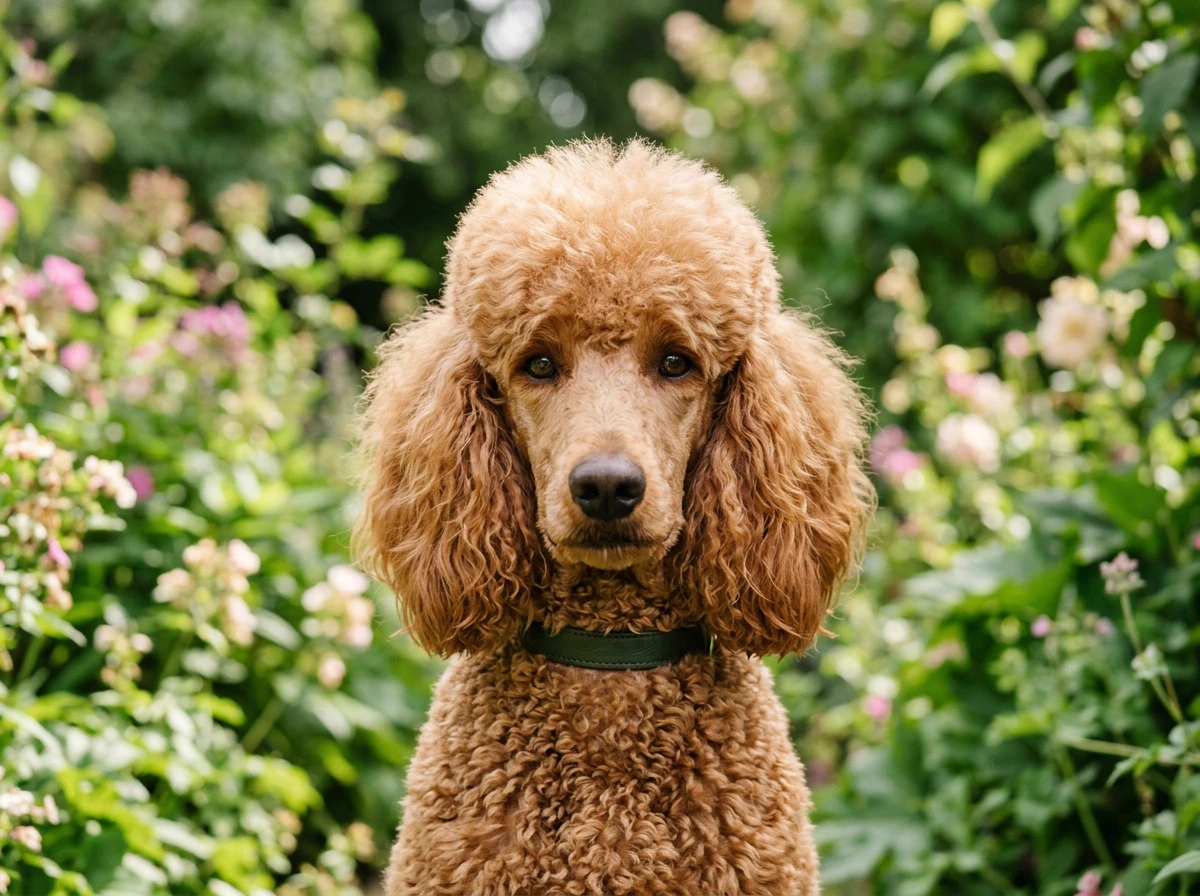
- Lhasa Apso × Poodle — read the Poodle profile too; a mix can inherit either parent's traits.
Health issues to know
- hereditary kidney disease
- progressive retinal atrophy (eye disease)
- hip dysplasia
- skin allergies
- Apartment / city living
- Low-shedding households
- You need a quiet dog (thin walls, close neighbors)
- You want a wash-and-go, low-maintenance coat
Frequently asked questions
How long does a Lhasa Apso live?
Typically 12–15 years. Larger individuals and lines with known health issues tend toward the lower end.
How much does a Lhasa Apso cost per month?
Roughly $80–$160 per month for food, routine vet care, grooming and insurance — an estimate that varies by location.
Is the Lhasa Apso good for apartments?
It scores 5/5 for apartment suitability. Yes — a solid apartment dog with regular walks.
Is the Lhasa Apso good with kids?
It scores 3/5 for kid-friendliness. Generally fine with kids when socialized early.
Does the Lhasa Apso shed a lot?
Shedding scores 1/5. Minimal shedding.
What are the disadvantages of a Lhasa Apso?
The coat is the big one: long, dense, and 5/5 for grooming need — it mats without constant brushing or a short clip. Then the watchdog wiring: 4/5 barking and a wariness of strangers that needs early, wide socialization, plus an independent streak (trainability 3/5) that makes housetraining a patience test. It is a lot of dog in a 5–8 kg package; the "easy lapdog" assumption is the mistake.
Do Lhasa Apsos like to cuddle?
On their own terms. Lhasas are loyal and affectionate with their family — expect a devoted shadow — but they are not fawning lapdogs; the old palace-watchdog temperament means dignity first, cuddles second. Let the dog come to you and you will get plenty of affection; force it and you will get an aloof stare.
Keep exploring
Related Non-Sporting breeds


Compare Lhasa Apso

Best for your lifestyle
Free tools
Health information is for general guidance only and is not veterinary advice. Always consult your veterinarian about your individual dog. Cost figures are rough estimates and vary by location.